
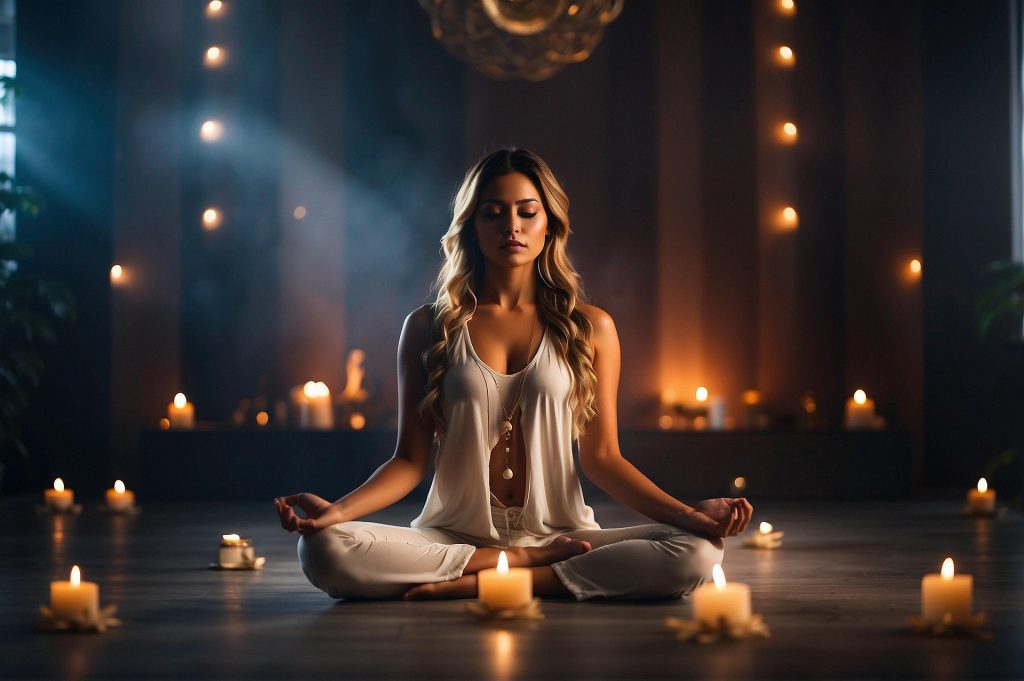
Stress Relief Meditation Techniques for Beginners. Stress can affect focus, sleep, emotional balance, and overall quality of life. Meditation offers a scientifically supported solution to calm the mind, reduce tension, and restore nervous system balance. For beginners, simple practices such as breathwork, mindfulness, and guided imagery can create instant calm and long-term resilience. According to the Mayo Clinic, meditation reduces stress by slowing racing thoughts and activating the body’s relaxation responses. (Mayo Clinic)
Meditation is not about clearing your mind. It is about training your attention so you are not controlled by stress, intrusive thoughts, or emotional triggers. When practiced consistently, meditation helps regulate cortisol, improves sleep, increases emotional awareness, and builds mental clarity.
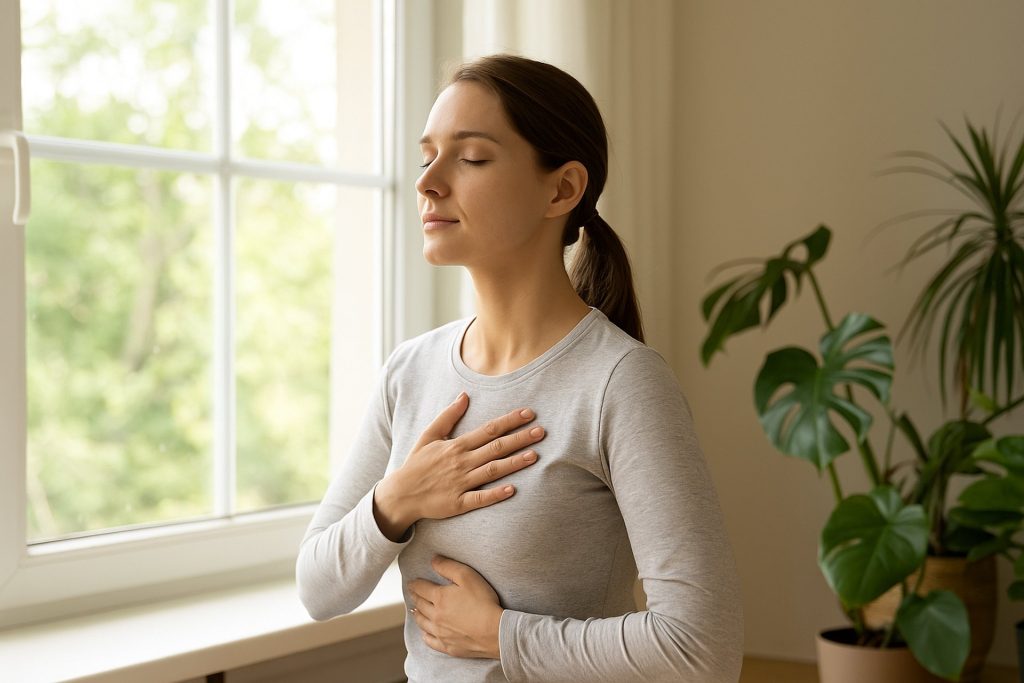
Stress Relief Meditation Techniques for Beginners Why Meditation Works for Stress Relief
Meditation changes how your brain reacts to stress. When you meditate, you shift from the fight-or-flight response into a peaceful state called the parasympathetic response. This nervous system shift results in calmer breathing, reduced muscle tension, and lower anxiety. Benefits include:
Lower cortisol (stress hormone)
Improved mental clarity and focus
Reduced emotional reactivity
Better sleep quality and relaxation
Increased sense of control and grounding
1. Breathing Meditation for Instant Calm
Stress Relief Meditation Techniques for Beginners Breathwork is the fastest way to reset the nervous system. These exercises work even if you have never meditated before.
Diaphragmatic Belly Breathing
Sit comfortably and place one hand on your belly
Inhale through the nose and feel the belly expand
Exhale slowly through the mouth
Repeat for 3–7 minutes
Reference: Apollo 24/7 — relaxation techniques for anxiety
https://www.apollo247.com/health-topics/stress/ten-relaxation-techniques-to-reduce-stress-and-anxiety?utm_source=chatgpt.com
Box Breathing (Square Breathing)
Inhale 4 seconds
Hold 4 seconds
Exhale 4 seconds
Hold 4 seconds
This is ideal for work breaks, panic, overwhelm, and emotional overload.
Source: Health.com
https://www.health.com/box-breathing-7968911?utm_source=chatgpt.com
4-7-8 Relaxation Breath
Inhale 4 seconds, hold 7, exhale 8
Best for bedtime anxiety and nighttime overthinking
2. Mindfulness Meditation for Stress Relief
Mindfulness teaches you to be present without judging your thoughts or feelings. It helps break the pattern of overthinking.
Mindful Sitting Meditation
Sit upright with relaxed shoulders
Focus on breath, sound, or body sensation
If thoughts appear, notice them gently and return to focus
Continue 5–10 minutes daily
Reference: Cereflex Labs — mindfulness for daily stress
https://cereflexlabs.com/blogs/cereflex-labs-resources/stress-relief-through-mindfulness-easy-techniques?utm_source=chatgpt.com
Body Scan Meditation
Start from toes and move attention upward through the body
Notice tense areas and release tension with breath
This practice improves body awareness and calms stress stored physically
Walking Meditation
Walk slowly and observe steps, breath, and surroundings
Great for people who feel restless or distracted
Keywords: grounding nature walk, movement meditation, mindful walking benefits
3. Guided Imagery and Visualization for Calm
Guided imagery uses imagination to trigger calm responses in the brain. It is highly effective for anxious thinkers or emotional overwhelm.
How to practice:
Close your eyes and imagine a peaceful place: ocean waves, a forest, rain, sunrise, or a garden
Include sensory detail: sound, scent, visuals, touch
Stay with this image while breathing slowly
Reference: Verywell Mind — guided imagery for relaxation
https://www.verywellmind.com/use-guided-imagery-for-relaxation-3144606?utm_source=chatgpt.com
4. Progressive Muscle Relaxation (PMR) for Tension Release
PMR teaches your body to recognize and release stress. This is ideal for tension headaches, clenched jaw, shoulder pain, and chronic stress.
Instructions:
Start at the feet and tense muscles for 5 seconds
Release with an exhale
Move upward through legs, stomach, shoulders, face
Reference: Wikipedia — Progressive Muscle Relaxation
https://en.wikipedia.org/wiki/Progressive_muscle_relaxation?utm_source=chatgpt.com
5. Add-On Tools to Enhance Meditation
These practices support deeper calm and motivation.
Aromatherapy (lavender, jasmine, sandalwood)
Gentle yoga or stretching before meditating
Rain sounds, ocean waves, or soft music
Meditation apps like Calm, Headspace, Insight Timer
Source: Bioneurix — best meditation techniques
https://bioneurix.com/blogs/blog/10-best-meditation-techniques-for-stress?utm_source=chatgpt.com
6. 10-Minute Daily Meditation Routine
This simple routine helps beginners build consistency:
Minute 1: Set intention (“I am choosing calm”)
Minutes 2–4: Slow breathing (4-7-8 pattern)
Minutes 5–7: Mindfulness or body scan
Minutes 8–9: Guided imagery or mantra
Minute 10: Gratitude or reflection
Table of Contents
7. Common Beginner Problems and Simple Fixes
Racing thoughts → Focus on the breath rhythm instead of stopping thoughts
Restlessness → Try movement meditation or shorter sessions
Sleepiness → Do meditation sitting upright during the day
Lack of time → Start with 2 minutes rather than skipping
8. Create a Calm Meditation Space at Home
You don’t need a studio or yoga room. A corner or window area is enough.
Soft cushion or chair
Natural light if possible
Plants for grounding energy
Essential oil diffuser or calming scents
A journal for reflection
Conclusion: Meditation is a Skill, Not Perfection
Meditation is a journey of awareness, not force. You do not need to silence your mind or achieve instant peace. All you need is consistency and curiosity. Start with one technique from this guide and practice it daily. With time, you will notice:
Better emotional balance
More mental clarity
Reduced stress triggers
Less overthinking
A calmer, softer approach to lif
About The Author

You may also like
How to Create a Meditation Corner in Any Size Home Amazing Ideas
10 Best Summer Looks That Wrap You Like a Gentle Hug at Home
New Year’s Eve 2026: Celebration Ideas, Meaningful Ways to Welcome the Year
Side Hustles for Women in 2025: High-Demand Skills You Can Learn From Home
How to Clean Leather Shoes at Home: A Step-by-Step Guide