
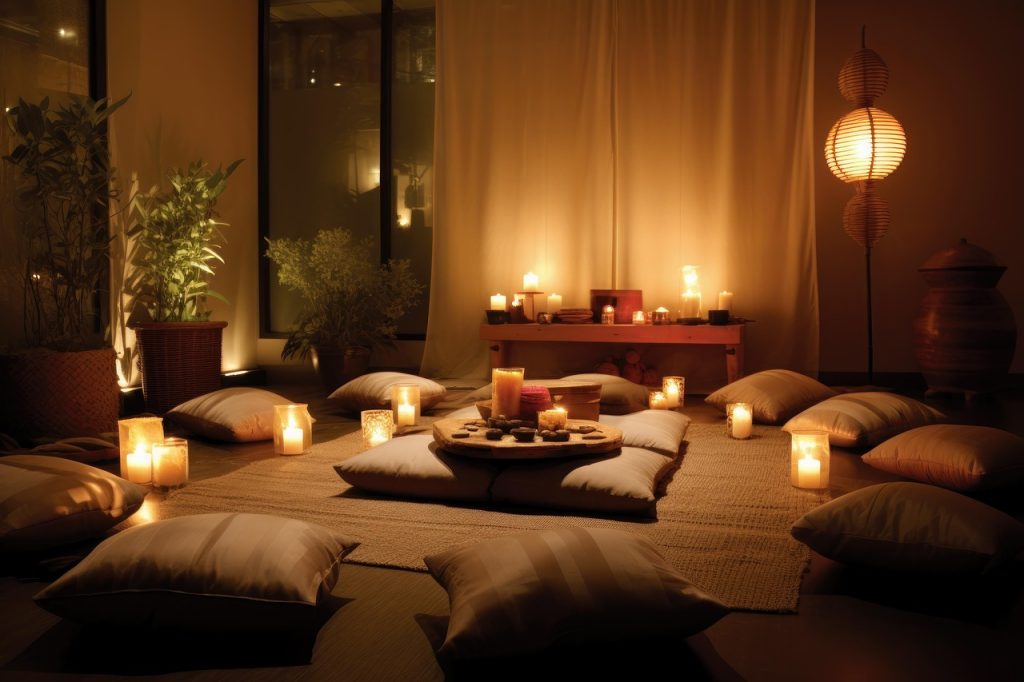
Creating a meditation corner at home is no longer just a wellness trend. In 2026, more people are transforming tiny apartment corners, bedroom nooks, and unused spaces into calming mindfulness retreats designed for stress relief, focus, and emotional balance. Interior designers and wellness experts say even the smallest home can support a peaceful meditation setup when the space is intentional and clutter-free. (Miaology)
Whether you live in a compact studio apartment, a shared family home, or a modern townhouse, you can create a meditation corner that supports daily mindfulness habits without needing an entire room.
Why a Meditation Corner Matters in Modern Homes
Meditation spaces have become one of the biggest home wellness trends because people increasingly want their homes to feel restorative instead of stressful. Designers now focus on “spaces for stillness” that improve mental well-being and encourage healthier routines. (Livingetc)
A dedicated meditation corner helps:
- Reduce visual stress
- Create daily mindfulness habits
- Improve emotional focus
- Encourage screen-free moments
- Support yoga and breathing exercises
- Build healthier morning and evening routines
Even a tiny meditation nook sends a psychological signal to your brain that it is time to slow down and relax. (Bobby Berk)
Meditation Corner Ideas Start With Choosing the Right Spot
The first step in creating a meditation corner is selecting a quiet area in your home. The best meditation corners are usually simple, low-traffic spaces that naturally feel calming.
Good options include:
- Bedroom corners
- Empty hallway nooks
- Spaces beside windows
- Unused closet areas
- Corners under staircases
- Balcony meditation spaces
- Living room corners near plants
Design experts recommend choosing a spot with natural light whenever possible because soft daylight creates a calming atmosphere and helps regulate mood. (Miaology)
If your home is noisy, you can create separation using:
- A folding screen
- Lightweight curtains
- Bookshelves
- Indoor plants
- Soft rugs
These visual boundaries make the area feel intentionally separate from the rest of the room.
How to Create a Meditation Corner in a Tiny Apartment
Tiny apartments require smart design choices. Fortunately, meditation spaces work best when they are minimal rather than overcrowded.
Use Minimalist Meditation Decor
Minimal decor reduces distractions and helps the mind settle more easily. Many mindfulness traditions intentionally use fewer objects for this reason. (Miaology)
A minimalist meditation corner may include:
- One floor cushion
- A yoga mat
- A small candle
- A plant
- Soft lighting
- A compact shelf
Avoid filling the space with excessive decorations because clutter can create mental overstimulation.
Try Foldable or Multi-Functional Furniture
Small homes benefit from furniture that can be stored easily.
Good choices include:
- Foldable meditation cushions
- Storage ottomans
- Compact floor chairs
- Wall-mounted shelves
- Rolling carts for meditation accessories
Interior design trends in 2026 emphasize smart storage and multifunctional layouts for compact homes. (Homes and Gardens)
Best Colors for a Meditation Space
Color psychology plays a major role in creating a relaxing environment.
The best colors for meditation corners include:
- Soft beige
- Sage green
- Warm white
- Sand tones
- Muted blue
- Earthy terracotta
- Light gray
Wellness-focused interiors in 2026 heavily feature earthy palettes because they feel grounding and calm. (Mattress Nut)
Avoid highly saturated neon shades or visually overwhelming patterns.
Natural Light and Soft Lighting Matter
Meditation Corner Lighting Ideas
Lighting dramatically changes how a meditation space feels.
Experts recommend:
- Morning sunlight
- Warm-toned lamps
- Salt lamps
- Candles
- Dimmable lighting
- Sheer curtains for softer daylight
Avoid harsh overhead lighting because it can feel mentally stimulating instead of relaxing. (Miaology)
If your room lacks windows, layered warm lighting can still create a cozy atmosphere.
Add Natural Elements for a Zen Feel
Nature-inspired decor helps meditation spaces feel more peaceful and grounded.
Popular natural meditation decor includes:
- Indoor plants
- Wooden accents
- Linen fabrics
- Stone decor
- Bamboo trays
- Ceramic bowls
- Pebbles
- Dried branches
Studies and wellness designers consistently recommend biophilic design because natural materials can help reduce stress and improve relaxation. (LIFEBERRYS)
Best Plants for Meditation Corners
Low-maintenance plants are ideal for meditation spaces.
Popular choices include:
- Snake plant
- Peace lily
- Pothos
- Bamboo palm
- Succulents
- ZZ plant
Plants improve visual softness while making indoor spaces feel calmer.
Meditation Corner Setup for Shared Homes
You do not need complete silence to meditate successfully.
In shared homes or busy households:
- Use noise-canceling headphones
- Add white noise or nature sounds
- Meditate early in the morning
- Use curtains to create privacy
- Keep your meditation setup portable
Reddit users frequently mention that intentionality matters more than perfection when creating a mindfulness space. (Reddit)
Meditation Room Decor Trends in 2026
Meditation spaces are evolving beyond plain minimalist aesthetics.
Current meditation room trends include:
- Textured natural fabrics
- Layered lighting
- Handmade decor
- Acoustic solutions
- Grounding earth tones
- Functional storage
- Compact wellness zones
Designers now prioritize emotional comfort over purely aesthetic spaces. (Mattress Nut)
How to Create a Budget-Friendly Meditation Corner
A peaceful meditation corner does not require expensive decor.
You can create one affordably using:
- Floor cushions
- Fairy lights
- Thrifted trays
- Small plants
- DIY wall art
- Soft blankets
- Reused baskets
Many people start with only a cushion and gradually build the space over time. (Miaology)
Essential Items for a Meditation Corner
Comfortable Seating
The most important element is comfortable support.
Popular meditation seating includes:
- Zafu cushions
- Yoga bolsters
- Floor pillows
- Meditation benches
- Thick rugs
- Tatami mats
Good posture helps improve longer meditation sessions.
Meditation Accessories
Optional meditation accessories include:
- Singing bowls
- Essential oil diffusers
- Incense holders
- Journals
- Prayer beads
- Crystals
- Soft blankets
Keep accessories intentional rather than decorative clutter.
Create a Technology-Free Zone
One of the best ways to improve mindfulness is limiting digital distractions.
Try to avoid:
- TVs
- Laptops
- Visible charging cables
- Bright screens
Many wellness experts encourage creating “analog corners” that encourage mental rest from constant digital stimulation. (Livingetc)
Small Bedroom Meditation Corner Ideas
Bedrooms are among the easiest places to build meditation spaces.
Bedroom Meditation Setup Tips
- Use a corner near natural light
- Add a soft area rug
- Keep the area visually separate from your bed
- Use calming bedding colors
- Add a small shelf for candles or books
If space is limited, your meditation setup can easily double as a reading nook.
Closet Meditation Room Ideas
Unused closets can become surprisingly peaceful meditation retreats.
A converted closet meditation corner may include:
- Floor cushions
- Floating shelves
- Warm LED lighting
- Soft wallpaper
- Curtains instead of doors
Closet meditation spaces are especially useful in studio apartments.
How Scent Improves Meditation Spaces
Aromatherapy can strengthen mindfulness routines because scent helps create mental associations with relaxation.
Popular calming scents include:
- Lavender
- Sandalwood
- Cedarwood
- Jasmine
- Frankincense
Many Reddit users report that natural scents significantly improved their meditation routines. (Reddit)
Sound Design for Meditation Corners
Sound can influence emotional regulation and concentration.
Helpful sound elements include:
- Nature sounds
- White noise machines
- Gentle instrumental music
- Tibetan bowls
- Wind chimes
Acoustic comfort is increasingly important in urban wellness spaces. (Mattress Nut)
Build a Consistent Meditation Routine
A meditation corner only becomes meaningful when used consistently.
Start with:
- Five minutes each morning
- Evening breathing exercises
- Guided meditation sessions
- Daily gratitude journaling
Experts note that repeated use helps your brain associate the area with calmness and focus. (Miaology)
Pinterest-Friendly Meditation Corner Styling Tips
Pinterest users respond strongly to calming visual aesthetics.
To make your meditation corner visually appealing:
- Use neutral palettes
- Incorporate layered textures
- Add soft lighting
- Keep surfaces uncluttered
- Use natural materials
- Add one visual focal point
Pinterest-friendly spaces tend to feel aspirational yet realistic and achievable.
Common Meditation Corner Mistakes
Avoid these common design problems:
Overdecorating the Space
Too many objects create distraction rather than calm.
Choosing Uncomfortable Seating
A beautiful setup is useless if sitting becomes painful.
Ignoring Lighting
Harsh lighting can reduce relaxation.
Creating Unrealistic Expectations
Meditation spaces do not need perfection. Even a small intentional corner can support mindfulness.
Internal Link
External References
For additional inspiration and expert-backed:
- Architectural Digest meditation space ideas
- Redfin zen meditation tips
- Better Homes & Gardens wellness retreat guide
- Bobby Berk meditation corner ideas
Conclusion
Creating a meditation corner in any size home is less about square footage and more about intentional design. A peaceful mindfulness space can exist in a tiny apartment, a busy family home, or even a small bedroom corner. By combining soft lighting, calming textures, minimal decor, and natural elements, you can create a restorative environment that supports mental clarity and emotional wellness every day.
The most effective meditation spaces are not the most expensive or elaborate. They are the ones you actually use consistently.
FAQs
How much space do I need for a meditation corner?
You only need enough room for comfortable seating. Even a small 3×3-foot corner can work effectively. (Elle Vivra)
What is the best room for a meditation corner?
Bedrooms, living room corners, balconies, and unused closets are all excellent options depending on your home layout.
What should I put in a meditation corner?
A meditation cushion, soft lighting, calming decor, and one or two meaningful objects are usually enough.
Can I create a meditation corner on a budget?
Yes. Many meditation spaces start with affordable items like floor cushions, blankets, candles, and small plants.
Which colors are best for meditation rooms?
Neutral and earthy shades like sage green, beige, cream, muted blue, and terracotta work best for calming environments.
Should meditation spaces be completely silent?
Not necessarily. Soft music, nature sounds, or white noise can also improve focus and relaxation.
How do I make a meditation corner feel cozy?
Use layered textures like rugs, blankets, cushions, warm lighting, and natural materials to create comfort and warmth.
Table of Contents
About The Author

You may also like
10 Best Summer Looks That Wrap You Like a Gentle Hug at Home
New Year’s Eve 2026: Celebration Ideas, Meaningful Ways to Welcome the Year
Stress Relief Meditation Techniques for Beginners: Simple Exercises for Instant Calm
Side Hustles for Women in 2025: High-Demand Skills You Can Learn From Home
How to Clean Leather Shoes at Home: A Step-by-Step Guide