
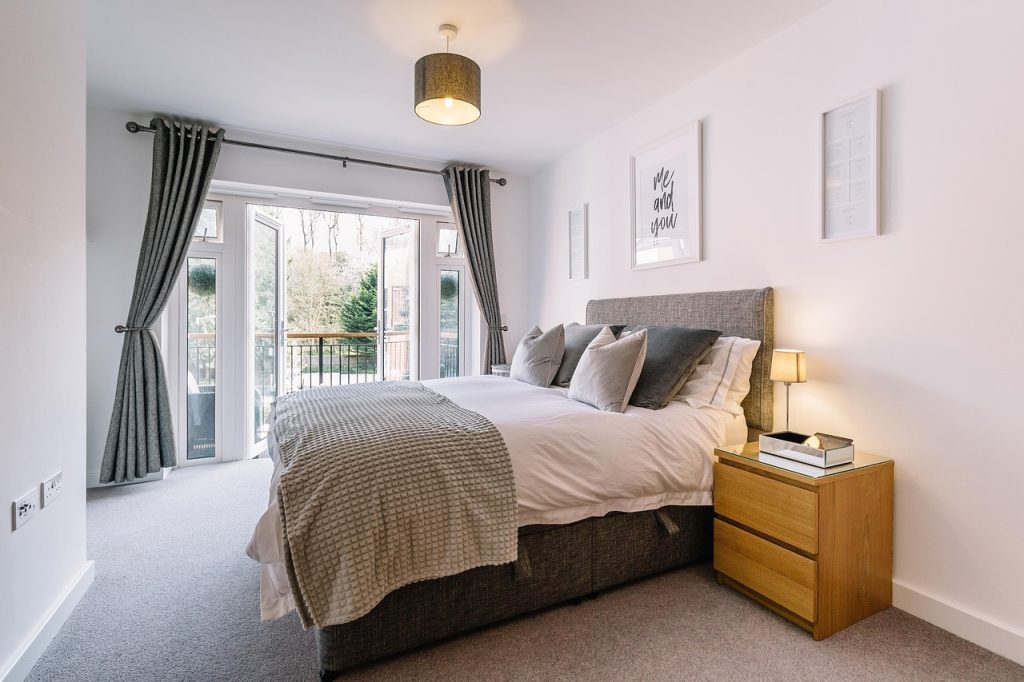
How to Turn Your Bedroom Into a Sleep Sanctuary is no longer a luxury it is one of the most important pillars of physical health, mental clarity, emotional balance, beauty, and productivity. Yet millions of people struggle with poor sleep because their bedroom is working against them instead of supporting healthy rest.
A true sleep sanctuary is more than a stylish bedroom. It is a carefully designed environment that helps your brain and body relax naturally, regulate circadian rhythms, and improve sleep quality night after night.
According to the Sleep Foundation and Harvard Health Publishing, bedroom environment, light exposure, temperature, noise levels, and nighttime habits all directly affect sleep quality and long-term wellness.
In this complete guide, you will learn how to transform your bedroom into a calming sleep sanctuary using science-backed sleep hygiene strategies, modern bedroom design ideas, and wellness-focused routines that support deep restorative sleep.
Why Creating a Sleep Sanctuary Matters
Poor sleep affects nearly every part of your health. Research shows that chronic sleep deprivation may contribute to stress, mood disorders, weakened immunity, reduced concentration, hormonal imbalance, and daytime fatigue. (Harvard Health)
A sleep sanctuary helps:
- Improve sleep quality
- Support healthy circadian rhythms
- Reduce nighttime anxiety
- Increase morning energy
- Improve focus and productivity
- Promote emotional well-being
- Enhance recovery and immune function
The modern bedroom often contains distractions like smartphones, televisions, bright lighting, clutter, and work-related stress. Creating a dedicated sleep environment teaches your brain to associate the bedroom with relaxation and recovery.
How to Turn Your Bedroom Into a Sleep Sanctuary Meaning: What Experts Recommend
Sleep experts define a sleep sanctuary as a bedroom environment optimized specifically for rest and recovery. According to Harvard Health, the ideal sleep environment should be:
- Cool
- Dark
- Quiet
- Comfortable
- Free from distractions
- Used primarily for sleep and intimacy
Many people underestimate how much their environment influences sleep. Reddit users discussing sleep hygiene repeatedly mention that blackout curtains, lower room temperatures, and consistent routines create the biggest improvements in sleep quality. (Reddit)
Sleep Sanctuary Lighting: Reduce Artificial Light Exposure
Why Light Affects Sleep
Light exposure strongly influences melatonin production, the hormone that regulates your sleep-wake cycle. Bright lights and screens at night can delay sleep onset and reduce sleep quality. (Healthline)
Best Lighting Tips for Better Sleep
Use Warm Lighting in the Evening
Replace harsh white LED lights with warm-toned lamps or dimmable lighting. Soft amber lighting creates a calming atmosphere and helps your body prepare for sleep.
Install Blackout Curtains
Blackout curtains are one of the most recommended sleep upgrades by sleep experts and real users alike. They help block streetlights, early sunlight, and outdoor distractions. (Livingetc)
Avoid Blue Light Before Bed
Blue light from phones, tablets, laptops, and televisions can suppress melatonin production and interfere with natural sleep cycles.
Try these habits:
- Stop screen use 60 minutes before bedtime
- Use blue-light filters after sunset
- Keep phones away from the bed
- Replace scrolling with reading or meditation
Bedroom Temperature for Better Sleep
One of the most overlooked sleep factors is room temperature.
Sleep specialists generally recommend keeping bedrooms between 60°F and 67°F (15°C to 19°C). Cooler temperatures help lower your core body temperature, signaling your body that it is time to sleep. (Cleveland Clinic)
How to Keep Your Bedroom Cool
- Use breathable cotton or linen bedding
- Improve airflow with fans
- Choose lightweight blankets
- Reduce heat-trapping materials
- Use cooling mattress toppers if needed
Breathable natural fabrics are increasingly recommended in modern bedroom design because they improve comfort and temperature regulation. (Livingetc)
Create a Quiet and Calm Sleep Environment
Noise pollution can interrupt sleep cycles even if it does not fully wake you.
Ways to Reduce Bedroom Noise
- Add rugs and curtains to absorb sound
- Use white noise machines
- Try calming rain sounds
- Use earplugs if necessary
- Keep windows closed in noisy areas
Many sleep-focused communities online consistently report white noise and quieter rooms as immediate sleep improvements. (Reddit)
Declutter Your Bedroom for Mental Calm
Clutter increases visual stress and mental overstimulation. A clean bedroom creates psychological calm and supports emotional relaxation before bedtime.
Modern sleep-focused interior designers recommend minimalist bedroom styling because it reduces cognitive overload. (Livingetc)
Decluttering Tips for Better Sleep
- Remove unnecessary furniture
- Hide cables and electronics
- Keep nightstands organized
- Use closed storage baskets
- Avoid piles of laundry near the bed
A simplified bedroom often feels more peaceful and spa-like, helping your mind unwind naturally.
Choose Sleep-Friendly Bedroom Colors
Color psychology plays a major role in relaxation.
Best Bedroom Colors for Sleep
Soft, muted tones are ideal:
- Sage green
- Dusty blue
- Warm beige
- Soft gray
- Earthy neutrals
These colors create a soothing environment without overstimulating the nervous system.
Avoid:
- Neon colors
- Bright reds
- Intense orange tones
- Overly saturated walls
According to bedroom design experts, calming color palettes are commonly found in well-designed sleep spaces. (Livingetc)
Invest in Comfortable Bedding
Your mattress, pillows, and bedding directly affect spinal alignment, pressure relief, and body temperature regulation.
What to Look for in Sleep-Friendly Bedding
Mattress
Choose a mattress that:
- Supports spinal alignment
- Reduces pressure points
- Matches your sleep position
- Prevents overheating
Pillows
Your pillow should keep your neck aligned naturally.
Bedding Materials
Natural fabrics work best:
- Cotton
- Linen
- Bamboo
Breathable materials reduce heat retention and improve comfort during sleep. (Livingetc)
Remove Technology From the Bedroom
One of the biggest sleep disruptors today is technology.
Sleep experts recommend keeping televisions, laptops, and work devices out of the bedroom whenever possible. (Harvard Health)
Why Tech-Free Bedrooms Improve Sleep
Technology can:
- Increase mental stimulation
- Delay melatonin release
- Increase stress and anxiety
- Encourage doomscrolling
- Disrupt bedtime consistency
Better Alternatives Before Sleep
Instead of screens:
- Read a physical book
- Practice meditation
- Journal your thoughts
- Stretch gently
- Listen to calming audio
Create a Relaxing Nighttime Routine
A consistent nighttime routine trains your brain to transition into sleep mode naturally.
Best Sleep Hygiene Habits
According to the Cleveland Clinic and Sleep Foundation, effective bedtime routines include:
- Taking a warm shower
- Gentle stretching
- Meditation or deep breathing
- Reading
- Dim lighting
- Relaxing skincare routines
- Journaling
Keep Your Sleep Schedule Consistent
Consistent sleep and wake times are among the highest-impact sleep habits. (Healthline)
Your body thrives on rhythm. Going to bed and waking up at similar times daily strengthens your circadian clock.
Use Aromatherapy Carefully
Many people enjoy calming scents as part of their nighttime routine.
Popular sleep-friendly scents include:
- Lavender
- Chamomile
- Sandalwood
- Cedarwood
- Vanilla
While aromatherapy is not a cure for insomnia, it may help create a relaxing bedtime environment.
Use:
- Essential oil diffusers
- Pillow sprays
- Scented candles safely before bedtime
Keep the Bedroom Only for Sleep
Your brain forms associations based on repeated behaviors.
If your bed becomes a place for:
- Working
- Watching TV
- Eating
- Stress scrolling
- Gaming
…your brain may stop associating it with rest.
Sleep experts consistently recommend reserving the bedroom mainly for sleep and intimacy. (Harvard Health)
Improve Air Quality in Your Bedroom
Fresh air and cleaner environments may support better sleep.
Tips for Cleaner Bedroom Air
- Vacuum carpets regularly
- Wash bedding weekly
- Reduce dust buildup
- Use air purifiers if needed
- Open windows during the day when possible
Recent sleep-focused discussions also emphasize the importance of reducing allergens and dust inside bedrooms. (The Times of India)
Add Natural Elements for Relaxation
Biophilic design — incorporating nature into interior spaces — can make bedrooms feel calmer and more restorative.
Easy Natural Bedroom Ideas
- Small indoor plants
- Wooden furniture
- Linen textures
- Natural fiber rugs
- Soft organic fabrics
Avoid overcrowding the room with decorative items. Simplicity works best.
Morning Habits Also Affect Your Sleep
A sleep sanctuary is not only about nighttime habits.
Morning routines help regulate your circadian rhythm too.
Best Morning Habits for Better Sleep
- Get sunlight exposure early
- Open curtains immediately
- Avoid sleeping in excessively
- Exercise regularly
- Maintain consistent wake times
Morning sunlight exposure is repeatedly recommended by sleep experts and sleep communities. (Tom’s Guide)
Sleep Sanctuary Ideas for Small Bedrooms
You do not need a luxury master bedroom to create a calming sleep environment.
Small Bedroom Sleep Sanctuary Tips
- Use under-bed storage
- Keep décor minimal
- Choose lighter wall colors
- Use mirrors carefully
- Avoid oversized furniture
- Prioritize airflow and lighting
Even small changes can create noticeable sleep improvements.
Common Bedroom Mistakes That Ruin Sleep
Many bedrooms unintentionally sabotage sleep quality.
Avoid These Sleep Disruptors
- Bright overhead lights at night
- Cluttered surfaces
- Hot rooms
- Loud electronics
- TV in bed
- Caffeine late in the day
- Heavy meals before bedtime
- Inconsistent sleep schedules
According to Harvard Health, caffeine, alcohol, nicotine, and irregular routines can interfere with deep restorative sleep. (Harvard Health)
The Emotional Benefits of a Sleep Sanctuary
Creating a sleep sanctuary is not only about physical sleep quality.
It can also:
- Reduce bedtime anxiety
- Encourage mindfulness
- Improve emotional regulation
- Support burnout recovery
- Promote daily calm
Many people now view bedrooms as wellness spaces rather than purely decorative rooms.
Final Thoughts
Transforming your bedroom into a sleep sanctuary does not require expensive renovations or luxury furniture. Small intentional changes cooler temperatures, softer lighting, reduced clutter, calming colors, better routines, and fewer digital distractions can significantly improve sleep quality and overall well-being.
Sleep is foundational to mental clarity, emotional balance, beauty, productivity, and long-term health. By designing a bedroom that actively supports rest, you create an environment where your body can recover naturally every single night.
Whether you live in a small apartment, shared home, or large house, building a healthier sleep environment is one of the most valuable wellness upgrades you can make.
FAQs About Creating a Sleep Sanctuary
What is a sleep sanctuary?
A sleep sanctuary is a bedroom environment specifically designed to improve sleep quality through better lighting, temperature, comfort, noise reduction, and healthy sleep habits.
What color is best for a sleep sanctuary?
Soft calming shades like sage green, muted blue, warm beige, and light gray are commonly recommended for promoting relaxation and restful sleep.
What temperature is best for sleeping?
Most sleep experts recommend keeping the bedroom between 60°F and 67°F (15°C to 19°C). (Harvard Health)
Do blackout curtains really help sleep?
Yes. Blackout curtains reduce outside light exposure, which helps maintain melatonin production and supports deeper sleep. (Sleep Foundation)
Should phones be kept out of the bedroom?
Sleep experts generally recommend limiting phones and screens in bedrooms because blue light and mental stimulation can interfere with sleep quality. (Healthline)
How can I make my bedroom feel more relaxing?
Decluttering, using soft lighting, adding calming colors, reducing noise, using comfortable bedding, and creating a consistent bedtime routine can all help create a more relaxing sleep environment.
Table of Contents
About The Author

You may also like
My Wardrobe Transformation: How a Capsule Wardrobe Gave Me My Confidence Back
Cycle Syncing 101: How to Eat, Move, and Live With Your Menstrual Cycle
Sleep optimization Is the New Hustle: How to Optimize Your Rest and Wake Up Transformed
Why Women Age Differently Than Men And What You Can Do About It
Protein and Women’s Health: Why It’s Essential for Muscle, Hormones & Aging