
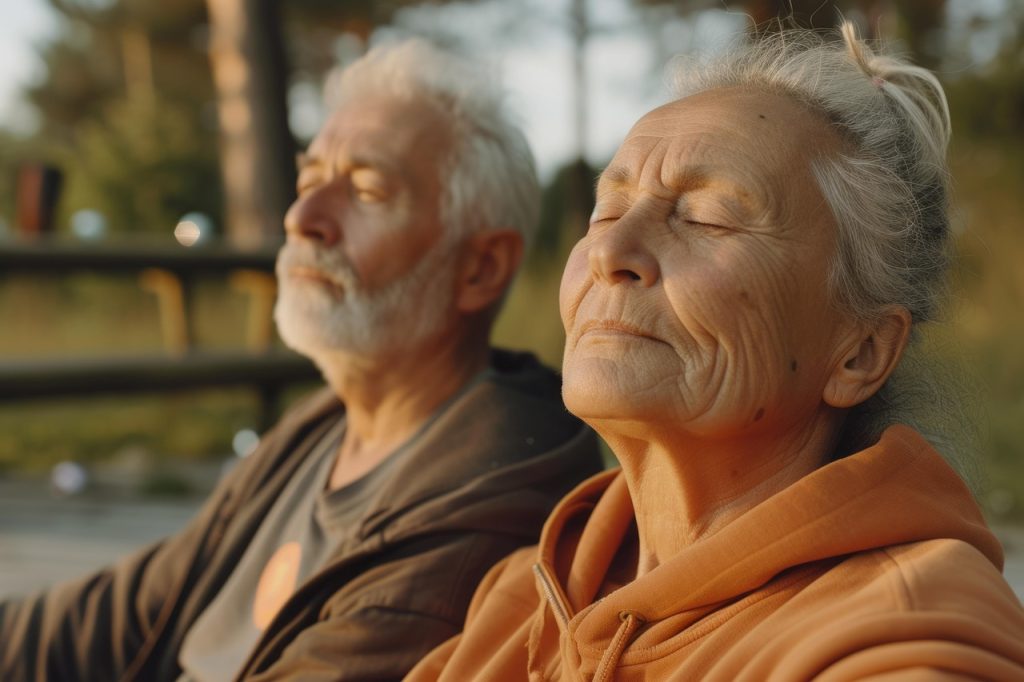
Women and men do not age the same way. From skin texture and hormonal changes to metabolism, muscle loss, bone density, and emotional health, the female body follows a unique aging timeline that scientists are still exploring. Understanding why women age differently than men can help women make smarter choices about skincare, nutrition, fitness, sleep, stress, and hormone health.
Today, more women are searching for natural anti-aging solutions, longevity habits, hormone balance strategies, and healthy lifestyle changes that improve both appearance and overall well-being. Social media trends around “healthy aging,” “graceful aging,” and “longevity wellness” are also pushing the conversation forward. However, many online articles oversimplify the topic or promote unrealistic beauty standards.
This guide explores the real science behind female aging, how it differs from male aging, and the practical habits women can adopt to support healthy aging at every stage of life.
Why Women Age Differently Than Men
The primary reason women age differently than men comes down to biology, hormones, genetics, and lifestyle factors. Women experience major hormonal shifts throughout life, especially during pregnancy, perimenopause, and menopause.
According to the National Institute on Aging, estrogen plays a major role in skin elasticity, bone health, cardiovascular function, and brain health. As estrogen levels decline with age, women often notice visible and internal aging changes more rapidly than men.
Men also lose hormones over time, but testosterone decline tends to happen more gradually. Women, on the other hand, may experience a dramatic hormonal drop during menopause, which can accelerate signs of aging.
The Science of Female Aging
Hormonal Changes and Aging
Hormones influence nearly every system in the body. Estrogen helps maintain collagen production, hydration, skin thickness, and bone strength. When estrogen decreases, women may experience:
- Wrinkles and fine lines
- Dry skin
- Hair thinning
- Reduced skin elasticity
- Joint discomfort
- Bone loss
- Sleep disruption
- Mood changes
The Mayo Clinic explains that menopause often begins between ages 45 and 55, although symptoms can appear earlier during perimenopause.
Collagen Loss Happens Faster in Women
Collagen is the structural protein that keeps skin firm and youthful. Research shows women can lose up to 30% of skin collagen during the first five years after menopause.
This is one reason why female skin aging often appears more sudden compared to men. Men naturally have thicker skin and higher collagen density, which can delay visible wrinkles.
Bone Density Declines Faster
Women are more likely to develop osteoporosis because estrogen protects bone strength. After menopause, bone density can decline quickly.
The International Osteoporosis Foundation reports that women over 50 are significantly more vulnerable to fractures compared to men of the same age.
Muscle Mass and Metabolism Change
Women naturally have lower muscle mass than men. As aging progresses, muscle loss can reduce metabolism, energy levels, and physical strength.
This shift can contribute to:
- Weight gain
- Fat accumulation around the abdomen
- Reduced mobility
- Lower endurance
Strength training and protein intake become especially important for healthy aging in women.
Why Women Show Visible Signs of Aging Earlier
Thinner Skin Structure
Female skin is generally thinner than male skin. This makes women more likely to notice:
- Wrinkles
- Sagging
- Fine lines
- Sun damage
- Loss of firmness
Facial Fat Distribution Changes
Women lose facial volume differently than men. Aging can affect:
- Cheeks
- Jawline
- Under-eye areas
- Neck
This leads to hollowing and sagging that become more noticeable over time.
Stress and Emotional Load
Women often carry higher emotional and caregiving responsibilities. Chronic stress raises cortisol levels, which may contribute to inflammation and accelerated aging.
The American Psychological Association notes that long-term stress impacts sleep, skin health, immune function, and mental wellness.
Lifestyle Factors That Influence Female Aging
Not all aging is controlled by genetics. Daily habits significantly affect how women age physically and mentally.
Skincare Habits Matter More Than Expensive Products
Women searching for the best anti-aging skincare routine often focus on luxury creams, but dermatologists emphasize consistency over expensive trends.
Essential Skincare Habits for Healthy Aging
Daily Sunscreen Use
UV exposure is one of the leading causes of premature aging. Broad-spectrum SPF helps prevent:
- Wrinkles
- Dark spots
- Uneven skin tone
- Collagen breakdown
The American Academy of Dermatology recommends daily sunscreen use even on cloudy days.
Retinoids and Collagen Support
Retinoids may help improve:
- Fine lines
- Texture
- Skin turnover
Vitamin C serums can also support brightness and antioxidant protection.
Gentle Hydration
Over-exfoliation and harsh skincare routines can damage the skin barrier. Hydration and barrier repair are increasingly recommended by dermatologists.
Nutrition and Female Aging
Protein Intake Supports Longevity
Protein becomes more important with age because it helps preserve muscle mass and supports recovery.
Healthy protein sources include:
- Eggs
- Fish
- Greek yogurt
- Lentils
- Chicken
- Nuts and seeds
Antioxidant-Rich Foods Help Combat Oxidative Stress
Oxidative stress contributes to cellular aging. Foods rich in antioxidants may help protect skin and overall health.
Examples include:
- Berries
- Spinach
- Tomatoes
- Green tea
- Avocados
Healthy Fats Support Hormonal Health
Omega-3 fatty acids support:
- Brain function
- Skin hydration
- Heart health
Good sources include salmon, walnuts, flaxseeds, and olive oil.
Hydration Impacts Skin Appearance
Dehydration can make fine lines and dullness more visible. Drinking enough water supports skin elasticity and overall body function.
Exercise Is One of the Most Powerful Anti-Aging Tools
Many women focus only on cardio for weight loss, but strength training becomes critical with age.
Strength Training Benefits for Women
Regular resistance training may help:
- Maintain muscle mass
- Support metabolism
- Improve bone density
- Enhance posture
- Reduce injury risk
Walking Supports Longevity
Walking remains one of the most accessible longevity habits. Studies consistently associate daily walking with improved cardiovascular health and reduced mortality risk.
Mobility and Flexibility Matter
Yoga, stretching, and mobility exercises help maintain:
- Joint function
- Balance
- Flexibility
- Stress reduction
Sleep and Female Aging
Poor sleep can accelerate visible and internal aging.
Women experiencing hormonal changes often struggle with:
- Insomnia
- Night sweats
- Interrupted sleep
Quality sleep supports:
- Skin repair
- Hormone regulation
- Memory
- Immune function
The Sleep Foundation highlights how sleep quality affects overall health and aging outcomes.
Menopause and Aging
What Happens During Menopause
Menopause marks the end of menstrual cycles and usually occurs naturally with age.
Symptoms may include:
- Hot flashes
- Mood changes
- Weight gain
- Brain fog
- Dry skin
- Hair thinning
Healthy Ways to Support Menopause
Women often benefit from:
- Balanced nutrition
- Regular movement
- Strength training
- Stress management
- Medical guidance when needed
Some women explore hormone replacement therapy under medical supervision. The decision depends on personal health history and should always involve qualified healthcare professionals.
Mental Health and Healthy Aging
Emotional well-being plays a major role in aging quality.
Women who prioritize:
- Social connection
- Purpose
- Hobbies
- Mindfulness
- Stress management
often report better quality of life during aging.
Mental wellness also affects physical appearance because chronic stress and burnout can influence inflammation and sleep quality.
Social Media Beauty Trends and Aging Pressure
Modern beauty culture often creates unrealistic expectations around aging. Filters, edited images, and “anti-aging perfection” can increase anxiety for women.
Platforms like Pinterest and Facebook increasingly favor authentic, educational, and positive wellness content over misleading beauty claims.
Healthy aging is not about eliminating every wrinkle. It is about supporting energy, confidence, mobility, and long-term wellness.
Can Women Slow Down Aging Naturally?
Aging cannot be stopped completely, but healthy habits may help slow visible and internal aging processes.
Evidence-Based Healthy Aging Habits
Eat Nutrient-Dense Foods
Focus on whole foods, lean proteins, vegetables, healthy fats, and fiber.
Protect Your Skin Daily
Sunscreen and hydration remain essential.
Build Muscle
Strength training supports metabolism and longevity.
Prioritize Sleep
Recovery is critical for hormone balance and skin health.
Manage Stress
Meditation, journaling, walking, and therapy may help reduce chronic stress.
Avoid Smoking and Excessive Alcohol
Smoking significantly accelerates skin aging and cardiovascular decline.
How Women Can Age Better in Their 30s, 40s, and Beyond
In Your 30s
- Start using daily SPF
- Prioritize strength training
- Build healthy sleep habits
- Support skin barrier health
In Your 40s
- Monitor hormonal changes
- Increase protein intake
- Focus on stress management
- Maintain cardiovascular fitness
In Your 50s and Beyond
- Protect bone density
- Stay socially active
- Maintain regular movement
- Support cognitive health
Common Myths About Female Aging
Myth 1: Aging Is Only About Wrinkles
Aging affects hormones, bones, metabolism, brain health, and emotional wellness.
Myth 2: Expensive Products Reverse Aging
No cream can completely reverse aging. Lifestyle habits matter far more.
Myth 3: Women Should Avoid Strength Training
Strength training is one of the best long-term health investments for women.
Myth 4: Menopause Means Declining Health
Many women thrive after menopause with supportive lifestyle changes and healthcare guidance.
The Future of Healthy Aging for Women
Modern wellness trends are shifting away from unrealistic “anti-aging” messaging toward:
- Longevity
- Preventive health
- Hormonal wellness
- Mental health
- Sustainable beauty
Women today are increasingly focused on aging with strength, confidence, and vitality rather than chasing impossible perfection.
Internal Links
- Healthy Daily Habits That Can Make Your Life Better and More Productive
- 10 Elegant Fashion Tips for Pakistani Women Over 25
External References
- National Institute on Aging
- Mayo Clinic Menopause Guide
- American Academy of Dermatology
- Sleep Foundation
- International Osteoporosis Foundation
FAQs
Why do women age faster after menopause?
Women often experience rapid collagen and estrogen loss after menopause, which can accelerate visible aging and affect bone density, skin elasticity, and metabolism.
What is the biggest cause of premature aging in women?
Sun exposure, smoking, chronic stress, poor sleep, and unhealthy diet patterns are among the leading causes of premature aging.
Can exercise slow aging in women?
Regular exercise, especially strength training and walking, supports muscle health, bone density, metabolism, cardiovascular health, and mobility.
What foods help women age better?
Protein-rich foods, berries, leafy greens, healthy fats, nuts, seeds, and antioxidant-rich foods may support healthy aging.
Is aging differently than men a bad thing for women?
Not necessarily. Women often live longer than men and may experience stronger social and emotional resilience. Aging differences are biological, not inherently negative.
Table of Contents
About The Author

You may also like
My Wardrobe Transformation: How a Capsule Wardrobe Gave Me My Confidence Back
Cycle Syncing 101: How to Eat, Move, and Live With Your Menstrual Cycle
Sleep optimization Is the New Hustle: How to Optimize Your Rest and Wake Up Transformed
How to Turn Your Bedroom Into a Sleep Sanctuary for Deep, Restful Sleep
Protein and Women’s Health: Why It’s Essential for Muscle, Hormones & Aging