
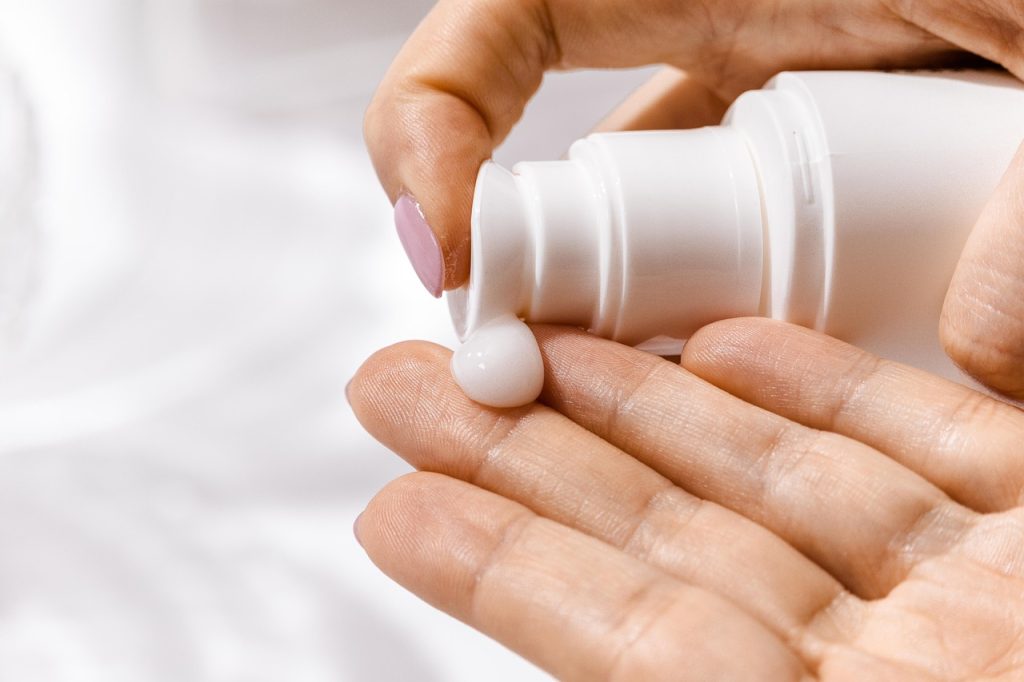
Introduction
For years, I woke up every morning with tight, flaky, dull skin that no amount of water or drugstore lotion seemed to fix. I tried everything thick creams, serums, oils, overnight masks and nothing delivered lasting relief. My skin was constantly uncomfortable, and honestly, it was affecting my confidence.
Then everything changed.
I discovered what dermatologists actually recommend for genuinely dry skin, rebuilt my entire routine from scratch, and within two weeks my skin was softer, plumper, and more hydrated than it had ever been. In this post I’m sharing exactly what I learned, the best moisturizer for dry skin that made the real difference, and the science-backed routine that keeps my skin healed not just temporarily soothed.
If you’ve been struggling with dry skin and feel like nothing works, keep reading. This is the post I wish I had found years ago.
Why Dry Skin Is Harder to Fix Than You Think
Most people treat dry skin like a surface problem — slap on some lotion and move on. But dry skin is actually a barrier problem. Your skin’s moisture barrier (called the stratum corneum) is damaged or compromised, which means it can’t hold water effectively regardless of how much moisturizer you apply on top.
This is why so many moisturizers disappoint. They feel good for an hour, then your skin feels tight again. They’re hydrating the surface without repairing the barrier underneath.
To truly heal dry skin, you need a moisturizer that does three things:
- Humectants — draw water into the skin (hyaluronic acid, glycerin)
- Emollients — smooth and soften the skin surface (squalane, ceramides)
- Occlusives — seal moisture in and prevent water loss (shea butter, petrolatum)
The best moisturizer for dry skin contains all three. Most budget options only include one or two — which explains why they never fully work.
What I Was Doing Wrong (And You Might Be Too)
Before I found the right product and routine, I was making several common mistakes that were actually making my dry skin worse:
Mistake 1 — Applying moisturizer to dry skin Moisturizer works best applied to slightly damp skin — within 60 seconds of washing your face or stepping out of the shower. Applying to completely dry skin means it has less water to lock in.
Mistake 2 — Using a foaming cleanser Foaming cleansers strip the skin’s natural oils. Switching to a gentle, cream or oil-based cleanser was one of the biggest changes I made.
Mistake 3 — Skipping moisturizer at night Nighttime is when skin repairs itself. A rich, occlusive moisturizer overnight can transform dry skin faster than any daytime product.
Mistake 4 — Choosing “lightweight” moisturizers Lightweight moisturizers are designed for oily or combination skin. Dry skin needs weight — real emollients and occlusives that create a protective seal.
How to Choose the Best Moisturizer for Dry Skin
When I started reading ingredient labels instead of marketing claims, everything changed. Here’s exactly what to look for:
Ingredients to Look For
Ceramides — These are the building blocks of your skin barrier. Dry skin is often deficient in ceramides. A moisturizer containing ceramides 1, 3, and 6-II actively repairs the barrier rather than just sitting on top of it.
Hyaluronic Acid — A powerful humectant that can hold up to 1,000 times its weight in water. Draws moisture from the air into your skin. Works best in a humid environment or layered under an occlusive.
Glycerin — Another humectant, often underrated. More effective than hyaluronic acid in low-humidity environments, and gentler on sensitive dry skin.
Squalane — A lightweight yet deeply nourishing emollient that mimics your skin’s natural oils. Non-comedogenic and excellent for dry skin that also breaks out.
Shea Butter — A rich occlusive and emollient that seals moisture in and has mild anti-inflammatory properties. A staple in the best moisturizers for very dry skin.
Niacinamide — Strengthens the skin barrier, reduces redness, and improves skin texture over time. An excellent supporting ingredient in dry skin moisturizers.
Ingredients to Avoid
- Alcohol denat — Extremely drying, commonly found in toners and some “fast-absorbing” creams
- Fragrance — One of the most common irritants for dry, sensitive skin
- Sulfates — Found in some cleansers, strip natural oils aggressively
- Menthol or eucalyptus — Feel cooling but are actually irritating to compromised dry skin
My Dry Skin Routine — What Finally Worked
After researching ingredients, consulting dermatologist recommendations, and testing products for weeks, this is the routine that healed my dry skin completely.
Morning Routine
Step 1 — Gentle cream cleanser I switched from a foaming cleanser to a gentle, hydrating cream cleanser. Look for one with no sulfates and a pH between 4.5 and 5.5 to avoid disrupting the skin barrier.
Step 2 — Hydrating toner or essence (no alcohol) Pat a hydrating essence onto slightly damp skin. Look for glycerin, panthenol, or beta-glucan as the main active ingredients.
Step 3 — Best moisturizer for dry skin Applied while skin is still slightly damp. I use a ceramide-rich cream as my base — this was the single most transformative step in my routine. Within the first week, the tight, uncomfortable feeling was almost completely gone.
Step 4 — SPF A moisturizing SPF 30 or higher. UV exposure breaks down the skin barrier and worsens dryness over time — skipping sunscreen undoes much of the repair work your moisturizer does.
Evening Routine
Step 1 — Oil cleanser or micellar water Removes SPF and makeup without stripping the skin.
Step 2 — Cream cleanser (double cleanse) The same gentle cleanser from the morning.
Step 3 — Hyaluronic acid serum Applied to damp skin to pull maximum moisture into the deeper layers.
Step 4 — Rich night moisturizer or sleeping mask This is where the real overnight healing happens. I apply a thick layer of a ceramide and shea butter cream sometimes sealed with a thin layer of squalane oil on top for extra occlusion on very dry nights.
The Best Moisturizer Ingredients for Dry Skin — At Every Budget
You don’t need to spend a fortune. Here are the ingredient profiles to look for across price points:
Drugstore / Budget Look for products with ceramides, glycerin, and petrolatum. Simple, unfragranced formulas from pharmacy brands often outperform expensive alternatives because they skip filler ingredients and focus on actives. CeraVe, Vanicream, and Eucerin are consistently recommended by dermatologists for exactly this reason.
Mid-range At this price point you start seeing more sophisticated humectant combinations hyaluronic acid at multiple molecular weights, polyglutamic acid, and added niacinamide for barrier support alongside ceramides.
Premium / Luxury Premium dry skin moisturizers often add peptides for skin repair, advanced ceramide complexes, and plant-based squalane. The results can be better, but the gap between a good drugstore ceramide cream and a luxury one is much smaller than the price difference suggests.
Signs Your Moisturizer Is Actually Working
Many people give up too soon because they don’t know what “working” looks like. Here’s what to expect when the right moisturizer is healing your dry skin:
Days 1–3: Immediate improvement in comfort. Tightness and that “squeaky clean” feeling after washing should reduce significantly. Skin should feel softer within hours of application.
Week 1: Visible reduction in flakiness. Skin looks more even and less dull. You may notice makeup sits better.
Week 2–3: The deep barrier repair begins to show. Skin holds moisture longer throughout the day you stop needing to reapply as often. Redness and sensitivity start to calm.
Month 1–2: Genuine transformation. Skin texture is noticeably smoother, pores may appear smaller (a sign of good hydration), and skin feels resilient rather than reactive.
If you’re not seeing improvement after two weeks, the formula likely isn’t right for your skin type. Reassess the ingredient list you may be missing an occlusive, or the product may contain a hidden irritant.
Frequently Asked Questions
Can I use the same moisturizer for face and body? For extremely dry body skin, a rich body butter or cream with ceramides and shea is ideal. Facial moisturizers are formulated to be non-comedogenic for the more pore-dense facial skin using a heavy body cream on your face may cause breakouts for some people.
How much moisturizer should I use? A pea-sized to grape-sized amount for the full face, depending on how dry your skin is. More product isn’t always better layering a serum underneath and then applying a standard amount of moisturizer over it is more effective than doubling up on one product.
Should I moisturize oily skin too? Yes oily skin can still be dehydrated (lacking water, not oil). But choose a gel-cream or lightweight lotion formula instead of a thick cream.
How long before I see results? Most people see comfort improvement within 24–48 hours of switching to the right moisturizer. Visible skin texture improvement typically takes 2–4 weeks of consistent use.
Can dry skin become normal skin with the right moisturizer? Yes, for many people dry skin is a barrier issue, not a permanent skin type. With consistent use of the right ceramide-rich moisturizer and a gentle routine, the barrier can be repaired to the point where skin behaves like normal skin most of the time.
Conclusion
Healing my dry skin wasn’t about finding a miracle product it was about understanding what my skin actually needed and giving it that consistently. The best moisturizer for dry skin isn’t necessarily the most expensive one. It’s the one with the right combination of ceramides, humectants, and occlusives, applied correctly, as part of a gentle routine that stops stripping the barrier every morning.
If there’s one thing I want you to take from this post: check your cleanser before you blame your moisturizer. For me, switching to a non-stripping cleanser and adding a ceramide-rich cream was the combination that changed everything.
Your skin can feel comfortable, soft, and healed. It just needs the right tools.
Enjoyed this post? Explore more skin and wellness guides in our Wellness & Self-Care section.
layering hydration steps”/korean-skincare-routine/
American Academy of Dermatology https://www.aad.org/public/everyday-care/skin-care-basics/dry/moisturizer
National Library of Medicine (NIH) https://www.ncbi.nlm.nih.gov/pmc/articles/PMC6803554/
Table of Contents
About The Author

You may also like
Why the Korean Skincare Routine Is Transforming Skin in 2026
French Tip Nails and Soft Glam Makeup Are Back: The Ultimate Beauty Revival You Need to Know
Homemade Face Cleansers for Naturally Glowing Skin
Top 10 Anti-Aging Ingredients That Actually Work Backed by Science
Biotech Skincare Why Dermatologists approved