
Chikungunya Virus 2025 is a viral infection transmitted by mosquitoes that continues to affect many regions worldwide in 2025. It is primarily spread by day-biting Aedes mosquitoes, including Aedes aegypti and Aedes albopictus — the same types that transmit dengue and Zika. (World Health Organization)
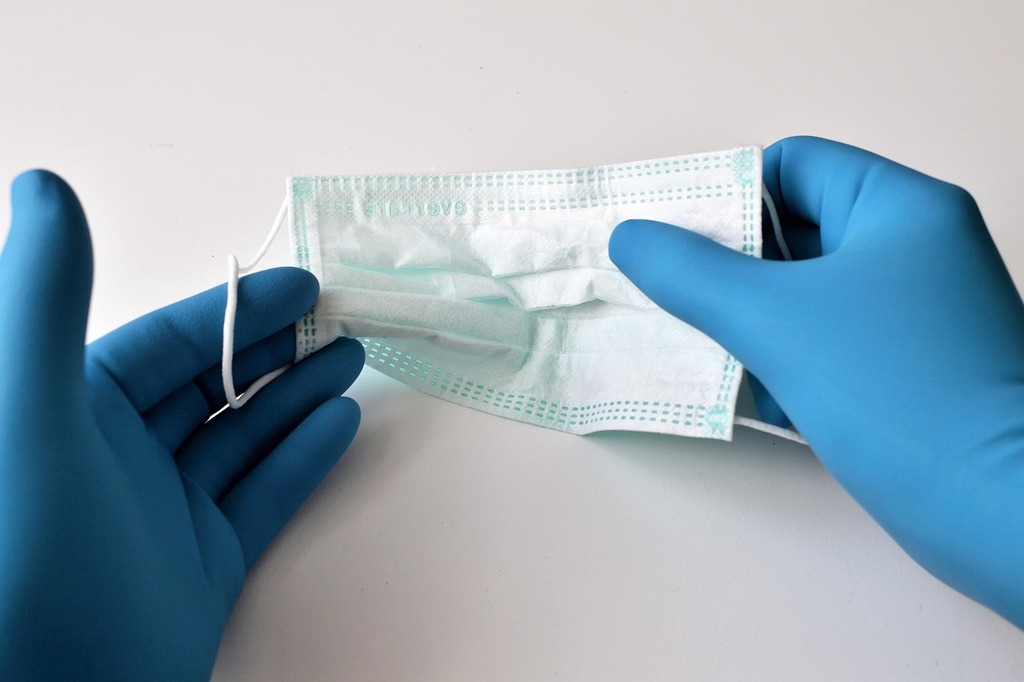
What is Chikungunya Virus 2025?
Chikungunya virus causes a disease marked by sudden onset of fever and intense joint pain. It occurs mainly in tropical and subtropical regions but has also spread to many other areas due to travel and mosquito adaptation. (World Health Organization)
How It Spreads
The virus is transmitted to people through the bite of infected mosquitoes. People infected with the virus can spread it to mosquitoes if bitten during the early stages of illness, which then continue the cycle by biting others. It is not spread directly from person to person through casual contact. (CDC)
Common Symptoms of Chikungunya (2025)
Symptoms usually begin 4–8 days after a bite from an infected mosquito. The most frequent signs include sudden high fever, severe joint pain, muscle aches, headache, rash, and fatigue. Some people may also experience nausea or general weakness. Joint discomfort can sometimes last for weeks, months, or even longer in certain individuals. (World Health Organization)
Who Is Most at Risk
Although chikungunya can affect people of all ages, certain groups are more likely to have severe symptoms or long recovery times. These include older adults, infants, pregnant persons, and people with conditions like heart disease, diabetes, or high blood pressure. (World Health Organization)
No Specific Treatment Exists
There is currently no specific antiviral medication to cure chikungunya. Doctors focus on symptom relief — such as rest, fluids, and fever reducers like acetaminophen — and advise avoiding medications such as aspirin until dengue has been ruled out by a healthcare provider. (CDC)
Early Signs to Watch For
If you have recently traveled to an area where chikungunya virus is circulating and develop:
- High fever
- Intense joint pain
- Headache or rash
- Muscle aches or fatigue
Seek medical attention so a healthcare provider can evaluate you and conduct appropriate testing, which may include blood tests. (CDC)
Prevention Is Key
Because no universally available cure exists, preventing mosquito bites is the most effective way to protect yourself and your family. The World Health Organization (WHO) recommends actions like applying EPA-registered insect repellent, wearing protective clothing (long sleeves and trousers), using screens on windows and doors, and eliminating standing water where mosquitoes breed. (World Health Organization)
To stay protected:
- Use mosquito repellent with DEET, picaridin, or IR3535 on exposed skin
- Wear light-colored, long-sleeved shirts and long pants
- Sleep under mosquito nets if you’re in an area without screens or air conditioning
- Get rid of stagnant water in containers like buckets, old tires, flowerpots, and puddles to prevent mosquitoes from breeding (World Health Organization)
Table of Contents
Travel Considerations
If you are planning to travel to regions where chikungunya is present, take extra precautions against mosquito bites. Some travelers may also consider vaccination if recommended for their situation — discuss this with a healthcare provider before travel. (CDC)
Overlap With Other Diseases
Symptoms of chikungunya often resemble those of dengue and Zika, making accurate diagnosis important in areas where multiple mosquito-borne viruses circulate. (World Health Organization)
Community and Vector Control
Reducing mosquito breeding sites through community clean-up efforts, proper waste disposal, and local vector control programs helps reduce chikungunya transmission risk. Public health authorities advise active community participation to eliminate mosquito habitats. (World Health Organization)
What to Do If You Think You’re Infected
If you develop symptoms and suspect chikungunya:
- See a healthcare provider right away
- Avoid mosquito bites for at least the first week of illness to prevent further spread
- Drink plenty of fluids and rest
- Follow professional medical advice for monitoring symptoms (CDC)
Final Health Awareness Notes for 2025
Chikungunya remains a public health concern in many regions. Awareness of symptoms, prevention methods, mosquito control, and when to seek medical support remains essential. Education and community action play a critical role in reducing transmission and protecting vulnerable populations.
Authoritative Reference Links
CDC Chikungunya Overview: https://www.cdc.gov/chikungunya/about/index.html (CDC)
CDC Prevention Tips: https://www.cdc.gov/chikungunya/prevention/index.html (CDC)
WHO Chikungunya Q&A: https://www.who.int/news-room/questions-and-answers/item/chikungunya (World Health Organization)
CDC Symptoms & Treatment: https://www.cdc.gov/chikungunya/symptoms-diagnosis-treatment/index.html (CDC)
WHO Fact Sheet: https://www.who.int/en/news-room/fact-sheets/detail/chikungunya (World Health Organization)
About The Author

You may also like
Pakistan Affordable Small Cars Cheaper Than Alto for Middle Class – What You Need to Know
Best Dresses to Wear in Pakistan Summer
Best AI Tools for Students, Freelancers, and Businesses
Shift from Chatbots to Autonomous AI Agents Handling Real Tasks
Start Online Business with No Money The Complete Guide