

The shift from chatbots to autonomous AI agents is the most transformative technology trend of 2026. Instead of simply answering prompts, AI systems now plan, execute, and complete real-world tasks autonomously, marking a transition from passive tools to active digital workers. This evolution is redefining industries, workflows, and how humans interact with software.
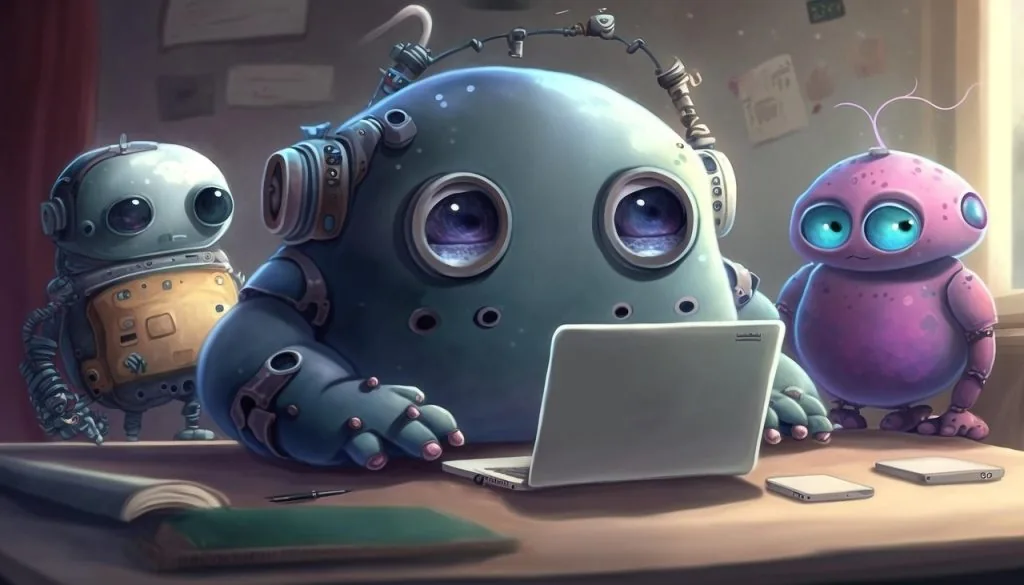
Introduction From Talking AI to Doing AI
For years, artificial intelligence revolved around chatbots, tools that respond to human prompts. But in 2026, the narrative has changed dramatically.
AI is no longer just conversational, it is operational.
Instead of asking AI to write an email and sending it yourself, you now give AI a goal and it writes, sends, tracks, and follows up automatically.
This shift is often called Agentic AI, where systems move from ask and answer to observe, plan, and act. According to insights from Gartner, a large portion of enterprise software is expected to integrate AI agents by 2026, highlighting rapid adoption across industries.
For a deeper technical overview of agent-based systems, refer to IBM’s research on AI automation: https://www.ibm.com/topics/artificial-intelligence
What Is the Shift from Chatbots to Autonomous AI Agents
Chatbots Old Model
Reactive systems
Require constant prompts
Stateless with no long-term memory
Limited to conversation
Autonomous AI Agents New Model
Goal driven systems
Plan and execute multi step tasks
Use tools, APIs, and software
Maintain memory and context
Learn and adapt over time
An AI agent does not just respond, it acts independently to achieve outcomes. Learn more about autonomous systems via MIT research: https://www.csail.mit.edu/research/artificial-intelligence
Why This Shift Is Happening Now 2026 Turning Point
From Prompt Fatigue to Automation
Users became overwhelmed with constant prompting. Businesses realized AI should do work instead of just assisting.
Advances in Reasoning and Tool Use
Modern AI can use browsers, execute code, and connect with apps like CRM systems and APIs.
Multi Agent Collaboration
AI systems now work in teams like digital departments handling entire workflows.
Enterprise Demand for ROI
Companies need measurable productivity instead of experimental AI use. Insights from McKinsey & Company show AI adoption is driven by ROI-focused strategies: https://www.mckinsey.com/capabilities/quantumblack/our-insights
Core Capabilities of Autonomous AI Agents
Planning
Agents break goals into actionable steps.
Memory
They retain context across tasks and sessions.
Tool Usage
They interact with software tools, databases, and web interfaces.
Decision Making
Agents evaluate outcomes and adjust strategies.
Execution
They perform tasks from start to finish without human input.
For more on how AI systems make decisions, see Stanford University AI research hub: https://ai.stanford.edu/
Chatbots vs Autonomous AI Agents Comparison
Chatbots are prompt based, while agents are goal based
Chatbots handle single step interactions, agents handle multi step workflows
Chatbots have limited memory, agents have persistent memory
Chatbots suggest actions, agents execute tasks
Chatbots act as assistants, agents act as digital workers
Real World Use Cases of AI Agents in 2026
Customer Support Automation
AI agents resolve tickets, update CRM systems, and send follow ups automatically.
Marketing Automation
They create campaigns, schedule posts, and track performance analytics.
Software Development
Agents write code, test it, and deploy applications with minimal human input.
Business Operations
They generate reports, coordinate tasks, and optimize workflows.
Personal Productivity
AI manages calendars, books travel, and handles emails.
Explore enterprise AI case studies from Microsoft: https://www.microsoft.com/en-us/ai
The Rise of AI Agent Ecosystems
Organizations are building ecosystems of specialized AI agents instead of relying on a single system.
A research agent collects data
An analysis agent processes insights
An execution agent performs actions
This creates a self operating workflow powered entirely by AI.
Industries Being Transformed
Healthcare
AI supports diagnostics, automates scheduling, and analyzes patient data.
Finance
Agents detect fraud, manage portfolios, and generate reports.
E commerce
They manage inventory, improve customer experience, and personalize recommendations.
IT and DevOps
AI enables self healing systems and automated incident resolution.
Industry trends are also documented by Accenture: https://www.accenture.com/us-en/insights/artificial-intelligence
Benefits of Autonomous AI Agents
Massive Productivity Gains
AI handles repetitive and complex workflows efficiently.
24 7 Operations
Agents work continuously without downtime.
Reduced Human Error
Automation reduces mistakes in repetitive processes.
Cost Efficiency
Businesses reduce reliance on manual labor.
Scalability
Operations can grow without increasing workforce size.
Challenges and Risks of AI Agents
Lack of Control
Poorly designed agents can act unpredictably.
Trust and Accountability Issues
It is often unclear who is responsible for AI decisions.
Security Risks
Potential for data leaks and unauthorized actions.
High Failure Rates
A significant number of AI projects may fail due to poor planning and lack of governance.
Ethical Concerns
Includes bias, transparency issues, and job displacement.
For governance frameworks, refer to World Economic Forum AI guidelines: https://www.weforum.org/agenda/artificial-intelligence/
Governance The Missing Piece
Experts recommend treating AI agents like employees by assigning identities, defining permissions, tracking actions, and auditing decisions.
This ensures accountability, compliance, and risk control.
Future Trends What Comes Next After 2026
Fully Autonomous Workflows
Entire business processes will run independently.
AI Operating Systems
Central platforms will manage multiple AI agents.
Human AI Collaboration
Humans will set goals while AI executes tasks.
Ambient AI
Invisible systems will work in the background without direct interaction.
Conclusion The Beginning of the Autonomous Era
The shift from chat bots to autonomous AI agents is not just a technological upgrade, it is a complete paradigm shift.
We are moving from AI as a tool to AI as a worker
From prompting to delegating
From assistance to execution
This transformation will reshape businesses, jobs, and daily life.
Success will depend on responsible implementation that balances automation, control, and trust.
Table of Contents
About The Author

You may also like
Pakistan Affordable Small Cars Cheaper Than Alto for Middle Class – What You Need to Know
Best Dresses to Wear in Pakistan Summer
Best AI Tools for Students, Freelancers, and Businesses
Start Online Business with No Money The Complete Guide
Gone in Sixty Seconds 2 (2026) Latest News Rumors and Official Updates