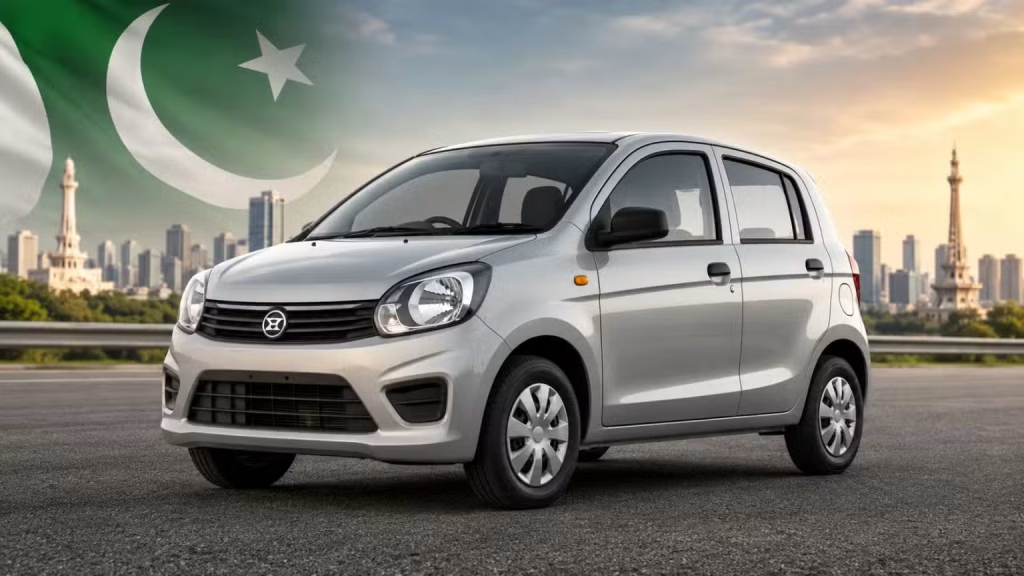
Pakistan affordable small cars cheaper than Alto government is actively considering a groundbreaking initiative to introduce a new category of affordable small cars specifically designed for the middle class. This move aims to bridge the massive gap between motorcycles and entry-level vehicles like the Suzuki Alto, whose current prices start around Rs 2.99 million to Rs 3.32 million.
The proposed L6 and L7 vehicles under the draft Auto Industry Development & Export Policy (AIDEP) 2026–31 could make four-wheeler ownership accessible to millions of lower-middle-income families, motorcycle users seeking safer options, and first-time buyers.
Understanding the Current Affordability Crisis in Pakistan’s Auto Market
Car ownership in Pakistan has declined sharply to just 11 cars per 1,000 residents, down from 18 previously. This drop highlights deep affordability challenges driven by stagnant income growth, high taxation, inflation, and rising vehicle prices.
The middle class, traditionally the backbone of car demand, now finds even the cheapest new cars out of reach. Suzuki Alto, Pakistan’s long-standing best-seller and the most affordable entry-level hatchback, dominates sales but remains expensive for many. Its popularity stems from compact size, decent fuel efficiency, and reliability in urban traffic, yet its price point excludes a large segment of potential buyers.
Many families rely on motorcycles for daily commuting despite safety risks, especially during monsoons or with children. This reality has pushed policymakers to explore solutions like the new affordable small car category.
What Are L6 and L7 Vehicles? Key Details of the Proposed Category
L6 and L7 vehicles are lightweight quadricycles positioned between motorcycles and conventional passenger cars:
- L6 (Light Quadricycle) — Maximum weight around 350kg, top speed up to 45 km/h. Ideal for short neighborhood trips and deliveries.
- L7 (Heavy Quadricycle) — Up to 450kg, higher speeds (70–80 km/h). Better suited for city commuting and small families.
These affordable small cars will emphasize lightweight construction, fuel efficiency, and urban mobility. They are not full highway vehicles but practical “city pods” offering weather protection and more safety than two-wheelers.
Expected Pricing: Early estimates suggest these new small cars could launch between Rs 1.5 million to Rs 2 million — significantly cheaper than the Suzuki Alto. This pricing would make them attainable for a broader middle-class audience.
Policy Incentives Making These Cars Possible
The draft AIDEP 2026–31 includes several measures to support this segment:
- Reduced sales tax (potentially as low as 1% for qualifying vehicles).
- Exemptions or reductions on Federal Excise Duty (FED), Capital Value Tax (CVT), and withholding taxes.
- Relaxed manufacturing norms, such as optional powder coating instead of full ED paint shops, to lower entry barriers for new manufacturers.
- Encouragement for localized production and potential CBU imports with localization timelines.
These incentives aim to boost domestic assembly, attract investment, and expand the auto ecosystem while addressing the mobility needs of the masses.
Potential Benefits for Middle-Class Families and the Economy
1. Enhanced Safety and Comfort
A proper cabin with roof and doors provides far better protection than motorcycles against accidents, weather, and road hazards.
2. Superior Fuel Efficiency
Small, lightweight vehicles typically deliver excellent mileage in stop-and-go city traffic common in Lahore, Karachi, Islamabad, and other urban centers. Lower running costs will ease the burden on family budgets amid fluctuating fuel prices.
3. Easier Parking and Maneuverability
Compact dimensions make them perfect for congested Pakistani roads and tight parking spots.
4. Boost to Local Manufacturing and Jobs
Increased production could create employment in assembly, parts supply, and related industries while reducing reliance on expensive imports.
5. Environmental Impact
Many concepts may lean toward efficient petrol engines or even electric variants, supporting cleaner urban mobility.
This initiative aligns with global trends where micro-cars and quadricycles serve as practical solutions in densely populated developing markets.
Challenges and Important Considerations: Pakistan Affordable Small Cars Cheaper Than Alto
While promising, the proposal has raised valid concerns:
- Safety Standards: L6/L7 vehicles may not require airbags, ABS, or full passenger car crash structures. Experts recommend treating them as upgraded motorcycles rather than direct replacements for conventional cars. Avoid highway use.
- Build Quality Variations: Relaxed norms could lead to differences across manufacturers. Buyers should prioritize reputable brands with strong after-sales support.
- Resale and Longevity: New categories sometimes face initial market skepticism affecting resale value.
- Policy Status: The category remains in draft form and requires final approval. Timelines could shift.
Consumers must weigh these factors carefully when the vehicles eventually launch.
How This Compares to Existing Options Like Suzuki Alto
The Suzuki Alto remains a benchmark for affordable hatchbacks in Pakistan, with strong sales, widespread service networks, and proven reliability. However, its price has climbed significantly due to taxes and economic factors.
The new L6/L7 segment would sit below it, targeting those currently priced out entirely. It won’t directly compete on features or highway capability but will excel in pure affordability and urban practicality.
Other budget options like used Japanese imports (e.g., Daihatsu Mira) or larger hatchbacks exist, but they often exceed the target price range for many middle-class buyers.
Expected Timeline and Next Steps
As of mid-2026, discussions continue within the AIDEP framework. No final approval or specific model launches have been announced. Industry watchers expect more clarity in coming months, with possible pilot productions or imports following policy finalization.
Potential players could include existing assemblers like Pak Suzuki, new entrants, or collaborations focusing on low-cost manufacturing. Chinese micro-car expertise (seen in models like Wuling Mini EV abroad) might influence designs.
Impact on Middle-Class Mobility and Urban Life
For millions in Pakistan’s growing urban population, these affordable small cars could represent a step up from two-wheelers without the financial strain of traditional cars. Families could travel more safely together, women and students could gain independent mobility, and daily commutes could become less stressful.
Broader economic benefits include reduced road congestion risks from motorcycles, better documentation of vehicles, and stimulus to the auto parts industry through localization.
Tips for Future Buyers of These Affordable Small Cars
- Research final specifications, safety ratings, and fuel economy once models are revealed.
- Compare total ownership costs including maintenance and insurance.
- Check financing options — the policy may support longer loan tenures (up to 7 years) and lower down payments.
- Prioritize brands with established dealership networks in your city.
- Test drive thoroughly, focusing on city driving conditions.
Future of Affordable Mobility in Pakistan
This proposed category signals a pragmatic response to economic realities. While some view it as a necessary adaptation, others hope for stronger localization and eventual access to better-equipped vehicles as incomes rise.
Pakistan’s auto industry continues evolving with new brands, hybrid/EV interest, and policy reforms. The affordable small car push could mark the beginning of more inclusive mobility solutions.
FAQs
Q1: When will Pakistan launch these new affordable small cars cheaper than Alto?
The proposal is part of the draft AIDEP 2026–31 policy still under review. No confirmed launch date exists yet, but developments are expected in late 2026 or 2027.
Q2: How much will the new L6/L7 small cars cost?
Estimates range from Rs 1.5 million to Rs 2 million, making them substantially cheaper than the current Suzuki Alto.
Q3: Are these new small cars safe for highway use?
They are primarily designed for urban commuting. Experts advise against regular highway use due to lighter construction and potentially lower safety features.
Q4: Will these cars have good fuel average?
Yes, their lightweight design and small engines should deliver excellent fuel efficiency, especially in city conditions.
Q5: Which companies might produce these affordable cars?
Existing players and new investors focusing on low-cost segments are likely. Details will emerge after policy approval.
Q6: How do I stay updated on this policy?
Follow reliable sources like ProPakistani, PakWheels, and official government announcements for the latest updates.
This comprehensive guide provides factual, balanced insights based on current reports to help middle-class Pakistanis understand this important development in affordable mobility.
- ProPakistani (Most Recommended) → Pakistan Planning to Launch New Small Cars Category With Cheaper-Than-Alto Prices Best primary source for the news.
- PakWheels Blog (Highly Trusted in Auto Sector) → Auto Policy 2026–31: Why Is The Government Proposing L6/L7 Quadricycles? Excellent for technical details, safety concerns, and policy analysis.
- TechJuice → Govt Targets Affordable Cars Cheaper Than Suzuki Alto
Suzuki Alto Price References
- Official Pak Suzuki → Suzuki Pakistan – All Product Prices
- PakWheels – Suzuki Alto 2026 → Suzuki Alto Price in Pakistan
Pakistan Plans New L6/L7 Affordable Small Vehicle CategoryL6 L7 Cars Pakistan – Complete GuideGovt to Introduce Low-Priced Affordable Cars
Table of Contents
About The Author