
Web Scraping In today’s data-driven world, web scraping has become an essential skill for businesses, researchers, and developers alike. Whether you’re gathering market insights, monitoring competitors, or automating data collection, understanding web scraping can give you a competitive edge. But what exactly is web scraping, and how can you get started? This comprehensive guide will walk you through everything you need to know about web scraping, from the basics to advanced techniques, ensuring you’re equipped to scrape data ethically and efficiently.
If you’re new to web scraping or looking to refine your skills, you’ve come to the right place. We’ll cover the fundamentals, tools, legal aspects, and best practices to help you master this powerful technique. Let’s dive in!
What Is Web Scraping?
Web scraping, also known as web data extraction or web harvesting, is the process of automatically collecting data from websites. It involves using software or scripts to fetch and parse HTML content from web pages, extracting specific information like text, images, prices, or reviews.
Unlike manual copying and pasting, web scraping automates the task, saving time and reducing errors. For example, e-commerce businesses use web scraping to track product prices across multiple sites, while journalists might scrape news articles for trend analysis.
Key benefits of web scraping include:
- Efficiency: Handle large volumes of data quickly.
- Accuracy: Minimize human errors in data collection.
- Scalability: Easily adapt to scrape thousands of pages.
In 2025, with the rise of AI and machine learning, web scraping is more relevant than ever, powering applications like sentiment analysis and predictive modeling.
Table of Contents
Why Use Web Scraping? Top Use Cases in 2025
Web scraping isn’t just a technical buzzword—it’s a practical tool with real-world applications. Here are some compelling reasons and use cases:
1. Market Research and Competitive Analysis
Businesses scrape competitor websites to monitor pricing, product availability, and customer reviews. This data helps in making informed decisions, such as adjusting your own pricing strategy.
2. Lead Generation
Sales teams use web scraping to extract contact information from directories or social media profiles (always with permission and compliance in mind).
3. Content Aggregation
News aggregators and content curators scrape headlines and summaries from various sources to create centralized feeds.
4. SEO and Digital Marketing
Marketers scrape search engine results to track keyword rankings or analyze backlinks, optimizing their SEO strategies.
5. Academic and Research Purposes
Researchers scrape data from public databases or forums for studies in fields like economics, sociology, or environmental science.
With data privacy laws evolving, ethical web scraping ensures you stay compliant while reaping these benefits.
How Does Web Scraping Work? A Step-by-Step Breakdown
Web scraping typically follows a straightforward process. Here’s how it works:
- Identify the Target Website: Choose the site you want to scrape and inspect its structure using browser developer tools (e.g., right-click and select “Inspect” in Chrome).
- Send HTTP Requests: Use code to request the web page’s HTML content. Libraries like Python’s Requests handle this seamlessly.
- Parse the HTML: Tools parse the raw HTML to locate elements. For instance, BeautifulSoup in Python can find tags like
<div>or<span>containing your desired data. - Extract Data: Pull out specific information, such as titles, links, or tables.
- Store the Data: Save extracted data in formats like CSV, JSON, or databases for further analysis.
- Handle Challenges: Deal with anti-scraping measures like CAPTCHAs or dynamic content loaded via JavaScript.
For dynamic sites, you might need headless browsers like Selenium or Puppeteer to simulate user interactions.
Best Web Scraping Tools and Libraries for 2025
Choosing the right tools can make or break your web scraping project. Here’s a roundup of popular options:
Free and Open-Source Tools
- BeautifulSoup (Python): Ideal for beginners; excels at parsing HTML and XML.
- Scrapy (Python): A full-fledged framework for large-scale scraping with built-in support for pipelines and spiders.
- Cheerio (Node.js): Lightweight and fast for server-side scraping.
Paid and Cloud-Based Solutions
- Octoparse: No-code tool with visual interfaces for non-programmers.
- ParseHub: Handles JavaScript-heavy sites and offers cloud storage.
- Bright Data (formerly Luminati): Provides proxies and advanced anti-detection features.
Advanced Options
- Selenium: Great for browser automation and testing.
- Puppeteer: Google’s tool for controlling Chrome, perfect for screenshotting or PDF generation.
When selecting a tool, consider factors like ease of use, scalability, and integration with your tech stack.
Legal Considerations in Web Scraping
Web scraping operates in a gray area legally, so it’s crucial to tread carefully. Key points to remember:
- Check Terms of Service: Many sites prohibit scraping in their TOS (e.g., LinkedIn or Facebook).
- Respect Robots.txt: This file indicates which parts of a site are off-limits to crawlers.
- Data Privacy Laws: Comply with GDPR, CCPA, or other regulations, especially if handling personal data.
- Fair Use and Ethics: Avoid overloading servers (use rate limiting) and don’t scrape copyrighted content without permission.
In 2025, court cases like the LinkedIn vs. hiQ ruling highlight that public data scraping can be legal if done ethically. Always consult a legal expert for your specific use case.
Best Practices for Effective Web Scraping
To ensure successful and sustainable scraping, follow these tips:
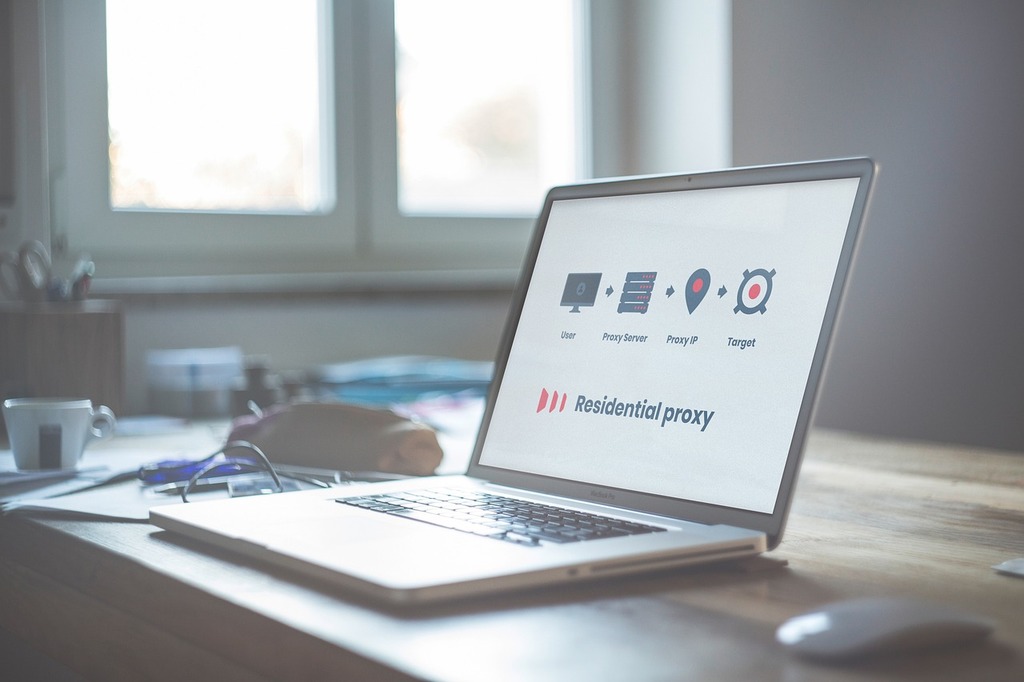
- Use Proxies and Rotate IPs: Prevent IP bans by distributing requests.
- Implement Error Handling: Account for network issues or site changes.
- Respect Rate Limits: Space out requests to mimic human behavior.
- Monitor for Changes: Websites update frequently; use selectors that are resilient to minor changes.
- Clean and Validate Data: Post-scraping, process data to remove duplicates or inconsistencies.
By adhering to these practices, you’ll avoid common pitfalls and maintain data quality.
Common Challenges in Web Scraping and How to Overcome Them
Web scraping isn’t without hurdles. Here’s how to tackle them:
- Anti-Scraping Techniques: Sites use CAPTCHAs or fingerprinting. Solution: Use CAPTCHA solvers or headless browsers.
- Dynamic Content: JavaScript-loaded data. Solution: Employ tools like Selenium.
- Scalability Issues: Handling big data. Solution: Use distributed scraping with Scrapy Cluster.
- Legal Risks: As mentioned, stay informed and ethical.
With persistence and the right tools, these challenges become manageable.
Conclusion: Get Started with Web Scraping Today
Web scraping is a game-changer for anyone dealing with data in 2025. From understanding the basics to deploying advanced tools, this guide has covered the essentials to help you embark on your scraping journey. Remember, the key to success lies in ethical practices, robust tools, and continuous learning.
This post was last updated on October 2, 2025. For more tech guides, subscribe to our newsletter.
About The Author

You may also like
Pakistan Affordable Small Cars Cheaper Than Alto for Middle Class – What You Need to Know
Best Dresses to Wear in Pakistan Summer
Best AI Tools for Students, Freelancers, and Businesses
Shift from Chatbots to Autonomous AI Agents Handling Real Tasks
Start Online Business with No Money The Complete Guide
1 thought on “Web Scraping: The Ultimate Guide for Beginners in 2025”