

2025 Winter’s Best Celestial Event Begins Tonight: How to See the Quadrantid Meteor Shower. Every year, sky watchers eagerly anticipate the chance to witness the Quadrantid Meteor Shower, one of the most prominent winter meteor showers. In 2025, the Quadrantids will light up the night sky once again, offering a breathtaking display for anyone with clear skies and an eye for celestial wonders. This article explores how to best view the Quadrantid Meteor Shower, when it peaks, and what makes it unique. Whether you’re an astronomy enthusiast or a casual stargazer, this guide will help you make the most of this spectacular celestial event.
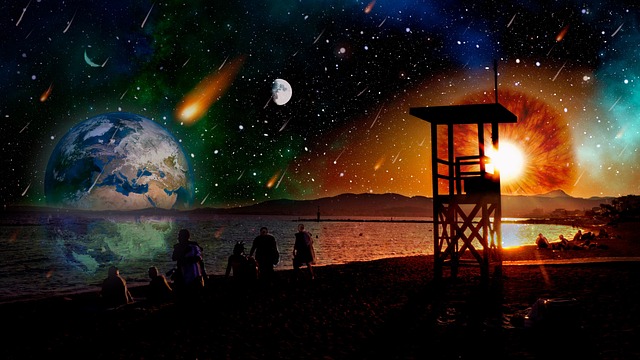
What is the Quadrantid Meteor Shower?
The Quadrantid Meteor Shower is one of the most intense annual meteor showers, known for producing a high number of meteors in a short period. Unlike other showers, the Quadrantids are famous for their sharp, short peak — lasting only a few hours. Named after the now-obsolete Quadrans Muralis constellation (which no longer exists), the shower is an incredible spectacle that is typically visible in the Northern Hemisphere.
In 2025, the Quadrantid Meteor Shower will peak during the night of January 3rd to 4th. Observers can expect to see as many as 120 meteors per hour during the peak period, though this can vary depending on local weather and light pollution.
Why Is the Quadrantid Meteor Shower Special?
What sets the Quadrantid meteor shower apart from other showers like the Perseids or Geminids is its sharp peak and the bright meteors it produces. The Quadrantids come from an asteroid called 2003 EH1, a unique source for a meteor shower. Most other meteor showers come from comets, but the Quadrantids are linked to this asteroid, making it an interesting subject of study for astronomers.
Moreover, the 2025 Quadrantids are expected to be one of the most spectacular celestial events of the winter season, thanks to favorable viewing conditions.
When and Where to See Celestial Event Begins Tonight 2025
Best Viewing Times
To maximize your chances of seeing the Quadrantid Meteor Shower, you’ll need to know the best times to watch. The Quadrantids are known for their brief peak, typically occurring between midnight and dawn. In 2025, the peak is expected to occur during the early morning hours of January 4th, but viewing can begin as early as January 3rd.
The best time to catch the most meteors is after midnight when the sky is darkest, and the radiant point (near the constellation of Bootes) is higher in the sky. The Quadrantids are visible to observers in the Northern Hemisphere, especially those located in northwestern latitudes. Southern Hemisphere viewers will have a much harder time seeing the meteor shower.
Where to Watch
Ideally, you’ll want to find a location that’s away from city lights to reduce light pollution. Some of the best places to watch the Quadrantid Meteor Shower include:
- National parks
- Open fields far from artificial light
- High-altitude locations, which often provide clearer skies
For example, in the United States, dark sky parks such as Grand Canyon National Park or Acadia National Park can provide excellent viewing conditions. Be sure to check the weather forecast and aim for a clear night for the best experience.
How to Watch the Quadrantid Meteor Shower
1. Find a Dark Location
The most important aspect of watching any meteor shower is reducing light pollution. The darker the skies, the more meteors you’ll see. Avoid places with street lights or artificial light sources. Ideally, head to a location far from city centers, such as a national park or an open field.
2. Bring Comfortable Gear
Winter nights can be cold, so it’s essential to bundle up. Bring a comfortable reclining chair or blanket to lie on while watching the sky. You’ll also want to pack warm clothing, snacks, and drinks to stay comfortable while you wait for meteors to streak across the sky.
3. Prepare for the Wait
Meteor showers are unpredictable, so it’s important to be patient. You may not see a meteor for several minutes, but when they do appear, they can be very bright. Quadrantids are known for their brilliant streaks, which can be a thrill to witness, even if you have to wait a while for the next one.
4. Look Toward the Radiant
Although the Quadrantids can appear anywhere in the sky, all meteors will seem to radiate from a point near the constellation Bootes, which is in the northern part of the sky. You don’t need to focus directly on the radiant point to see the meteors — just look toward the sky, and they’ll appear.
Understanding the Science Behind the Quadrantid Meteor Shower
Meteor showers occur when Earth passes through the debris field left by a comet or asteroid. For the Quadrantids, the debris comes from asteroid 2003 EH1, which leaves behind particles that burn up upon entering Earth’s atmosphere, creating the streaks of light we see as meteors.
The Quadrantids are unique because their parent body, asteroid 2003 EH1, is believed to be a rocky object, unlike the icy comets that typically produce meteor showers. The high-speed meteors of the Quadrantids can burn brightly and are often visible for longer periods than other meteor showers.
Why Do the Quadrantids Peak So Sharply?
One of the most distinctive features of the Quadrantid Meteor Shower is its sharp peak, lasting only a few hours. This happens because the Earth passes through the narrow debris stream of asteroid 2003 EH1. Unlike other meteor showers, which can last for days, the Quadrantids’ peak is brief but intense.
The short duration of the peak makes it more challenging to view compared to other meteor showers like the Perseids, but it also makes the event exciting for avid stargazers and astronomers alike.
How to Prepare for 2025’s Quadrantid Meteor Shower
1. Check Weather Conditions
Clear skies are essential for the best viewing experience. Check your local weather forecast to make sure there are no clouds or bad weather conditions that could obstruct your view.
2. Get Away from Light Pollution
As mentioned, the darker your viewing location, the better. Light pollution from city lights can significantly reduce the number of meteors you can see. Try to find a location that is free from artificial light.
3. Gather Your Equipment
While no special equipment is needed to view the Quadrantids, binoculars or a telescope may enhance your overall stargazing experience. However, meteor showers are best observed with the naked eye since the meteors can appear anywhere in the sky. Just bring a comfortable blanket or reclining chair to help you enjoy the view.
Conclusion: Don’t Miss the 2025 Quadrantid Meteor Shower
The 2025 Quadrantid Meteor Shower is a must-see event for skywatchers and astronomy enthusiasts. With its sharp peak, bright meteors, and the chance to witness one of the best celestial events of the winter, it’s an experience not to be missed. Make sure to prepare for the event, find a dark spot, and stay patient as you watch the meteors light up the night sky. Whether you’re a seasoned astronomer or a beginner, this spectacular meteor shower offers an unforgettable spectacle of nature’s beauty.
For more information on meteor showers and celestial events, check out trusted sources like NASA’s Meteor Shower Calendar and Sky & Telescope.
Table of Contents
About The Author

You may also like
Pakistan Affordable Small Cars Cheaper Than Alto for Middle Class – What You Need to Know
Best Dresses to Wear in Pakistan Summer
Best AI Tools for Students, Freelancers, and Businesses
Shift from Chatbots to Autonomous AI Agents Handling Real Tasks
Start Online Business with No Money The Complete Guide