
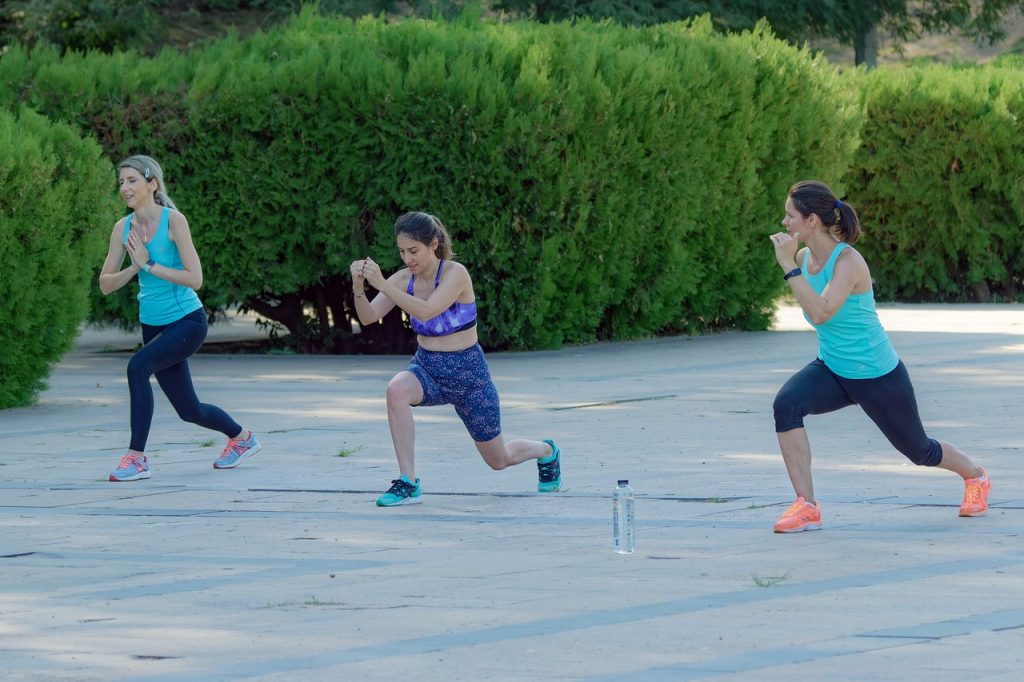
New Health Habits Women Are Adopting in 2026 for Energy & Longevity explores science-backed wellness routines, nutrition trends, fitness strategies, sleep optimization, stress management, and longevity habits shaping women’s health this year.
Introduction
In 2026, women around the world are redefining health with a sharper focus on long-term energy, resilience, and longevity. Wellness is no longer about quick fixes or restrictive routines. Instead, women are adopting sustainable, evidence-based health habits that support physical vitality, mental clarity, hormonal balance, and healthy aging.
Advances in nutrition science, fitness research, wearable technology, and preventative healthcare have transformed how women care for their bodies. From personalized nutrition plans to recovery-focused fitness and stress regulation techniques, modern women are prioritizing habits that deliver lasting energy and protect long-term health.
This in-depth guide explores the most important new health habits women are adopting in 2026, supported by credible research and trusted health sources.
Personalized Nutrition for Energy and Longevity
One of the most significant health shifts in 2026 is the move toward personalized nutrition. Women are no longer following generic diet trends. Instead, they are using data-driven insights to fuel their bodies more effectively.
Many women now rely on metabolic testing and blood biomarker analysis to understand how their bodies process food. Tracking indicators such as blood glucose, insulin response, inflammation markers, and cholesterol helps women make informed dietary choices that improve energy levels and metabolic health.
According to Harvard Health Publishing, individualized nutrition based on metabolic markers supports better weight management, stable energy, and reduced risk of chronic disease
https://www.health.harvard.edu
Another growing practice is nutrient timing. Women are adjusting carbohydrate and protein intake based on activity levels, workout timing, and hormonal cycles. This approach supports stable blood sugar and reduces energy crashes.
Plant-forward eating continues to dominate women’s health habits. Diets rich in vegetables, fruits, legumes, whole grains, nuts, and seeds are associated with improved digestion, reduced inflammation, and longer lifespan. Research consistently links whole-food plant-based diets to improved cardiovascular and metabolic health.
Biohacking Trends Supporting Women’s Health
Biohacking has become a mainstream health practice among women seeking optimized energy and longevity. In 2026, biohacking focuses on safety, personalization, and measurable results.
Continuous glucose monitoring devices are now widely used by women without diabetes to understand how meals, stress, and sleep affect blood sugar and daily energy. These insights help women avoid spikes and crashes that lead to fatigue.
Red light therapy has gained popularity for its potential to support cellular energy production, skin health, and muscle recovery. Research published by the National Institutes of Health links red light exposure to increased mitochondrial function, which plays a key role in aging and energy production
https://www.ncbi.nlm.nih.gov
Women are also exploring NAD+ support through nutrition and supplementation. NAD+ is essential for cellular repair and metabolic efficiency. Early scientific research suggests maintaining healthy NAD+ levels may support longevity and cellular resilience
https://www.sciencedirect.com
Sleep Optimization and Recovery as a Health Priority
Sleep is now considered a foundational pillar of women’s health in 2026. Women increasingly recognize that poor sleep disrupts hormones, metabolism, mood, and immune function.
Sleep tracking technology allows women to monitor sleep duration, quality, and recovery metrics. These insights help optimize bedtime routines, screen exposure, and sleep environments.
The Sleep Foundation reports that consistent sleep routines improve cognitive function, emotional regulation, and long-term health outcomes
https://www.sleepfoundation.org
Recovery-focused routines have also replaced extreme workout schedules. Women are prioritizing active recovery methods such as gentle yoga, stretching, walking, and mobility training. Research published in the Journal of Strength and Conditioning Research shows that active recovery improves circulation, reduces muscle soreness, and supports long-term fitness adherence
https://journals.lww.com
Stress Management and Mind-Body Health
Chronic stress remains one of the biggest threats to women’s energy and longevity. In 2026, stress regulation is a daily practice rather than an occasional effort.
Meditation, mindfulness, and breathwork techniques are widely adopted for their proven ability to reduce cortisol levels and improve emotional resilience. The American Psychological Association confirms that regular meditation supports stress reduction, mental clarity, and overall well-being
https://www.apa.org
Women are also incorporating nervous system regulation techniques such as controlled breathing, cold exposure, and gentle movement to support hormonal balance and mental health.
Adaptogenic herbs are increasingly used to help the body adapt to stress. Herbs such as ashwagandha and rhodiola have been studied for their ability to support energy, focus, and stress resilience
https://www.ncbi.nlm.nih.gov
Smart Fitness and Strength Training for Longevity
Fitness habits among women in 2026 emphasize function, strength, and sustainability rather than appearance alone.
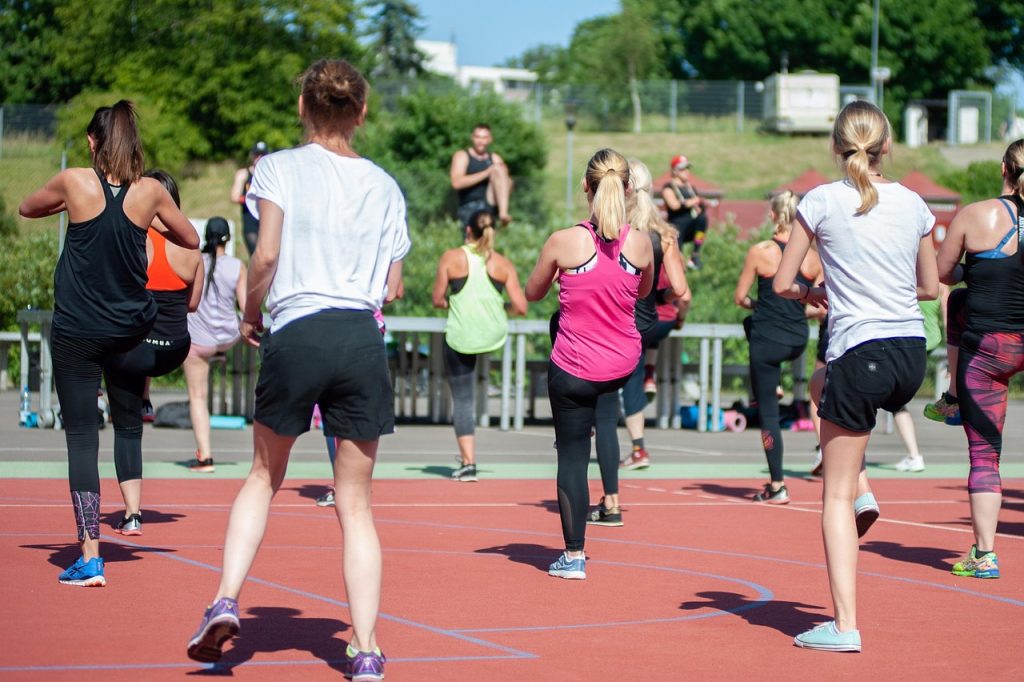
Strength training has become a central component of women’s health routines. Research from the American College of Sports Medicine highlights that resistance training improves bone density, metabolic health, muscle mass, and long-term independence
https://www.acsm.org
Women are also embracing functional movement training that improves balance, mobility, and coordination. These practices reduce injury risk and support everyday movement quality.
Wearable fitness technology plays a major role in tracking heart rate variability, recovery status, and training load. This data-driven approach helps women avoid overtraining and maintain consistent energy.
Gut Health as a Foundation for Energy
Gut health is now recognized as essential for digestion, immunity, mental health, and energy production.
Women are increasing their intake of fermented foods, prebiotic fibers, and probiotic supplements to support a diverse gut microbiome. Scientific evidence links gut diversity to improved metabolic function and reduced inflammation
https://www.ncbi.nlm.nih.gov
Personalized digestive plans are also gaining popularity. Women are learning to identify food sensitivities and adjust diets to reduce bloating, fatigue, and digestive discomfort, leading to improved nutrient absorption and daily energy.
Table of Contents
Hormone Health and Female Longevity
Hormonal balance is a central focus of women’s health in 2026, particularly during perimenopause and menopause.
Women are working with healthcare professionals to monitor estrogen, progesterone, and testosterone levels using evidence-based testing methods. Balanced hormones support sleep quality, mood stability, metabolic health, and sustained energy.
Functional nutrition approaches include phytoestrogen-rich foods such as flaxseed and soy, which may support hormonal balance when consumed as part of a balanced diet.
Hydration and Cellular Energy
Hydration strategies have evolved beyond simply drinking water. Women now focus on cellular hydration supported by balanced electrolytes.
Electrolytes play a critical role in muscle function, nerve signaling, and cognitive performance. Women are choosing clean electrolyte sources without artificial additives to support energy and physical performance.
Anti-Inflammatory Lifestyle Choices
Reducing chronic inflammation is a key longevity strategy in 2026.
Women are prioritizing omega-3 fatty acids from fish and plant-based sources to support heart health and reduce inflammation. The National Institutes of Health highlights the role of omega-3s in cardiovascular and cognitive health
https://ods.od.nih.gov
Anti-inflammatory diets rich in antioxidants and whole foods help reduce fatigue, joint discomfort, and brain fog, contributing to improved quality of life.
Social Health, Purpose, and Emotional Well-Being
Women’s health in 2026 includes emotional and social well-being as essential components of longevity.
Community engagement, support networks, and purpose-driven activities have been linked to improved mental health and reduced mortality risk. The American Psychological Association reports that strong social connections support emotional resilience and long-term health
https://www.apa.org
Women are investing time in meaningful relationships, creative pursuits, and personal growth, recognizing that emotional fulfillment fuels physical vitality.
Conclusion
The new health habits women are adopting in 2026 reflect a powerful shift toward sustainable, science-backed wellness. Energy and longevity are no longer achieved through extremes but through balance, personalization, and consistency.
From personalized nutrition and smart fitness to stress regulation, sleep optimization, and social well-being, women are building health routines that support vibrant living at every stage of life.
These habits are shaping a future where women thrive with strength, clarity, and resilience well into later years.
I
About The Author

You may also like
-
How to Turn Your Bedroom Into a Sleep Sanctuary for Deep, Restful Sleep in 2026
-
Why Women Age Differently Than Men And What You Can Do About It
-
Protein and Women’s Health: Why It’s Essential for Muscle, Hormones & Aging in 2026
-
10 Stunning Summer Outfit Ideas Pakistani Women Can Wear in Extreme Heat
-
Signs Your Hormones Are Out of Balance (And What to Do About It)